Long-lasting upgradeable architecture, computers, and phones.
Relics are for the ages.
Phones, computers, software, and architecture designed to be serviced, upgraded, and kept.
Download the manual ⬇︎ 𓀂
https://www.icloud.com/iclouddrive/0de3g0Zw69hv8FAdJ-AhLwjfg#relic_manual

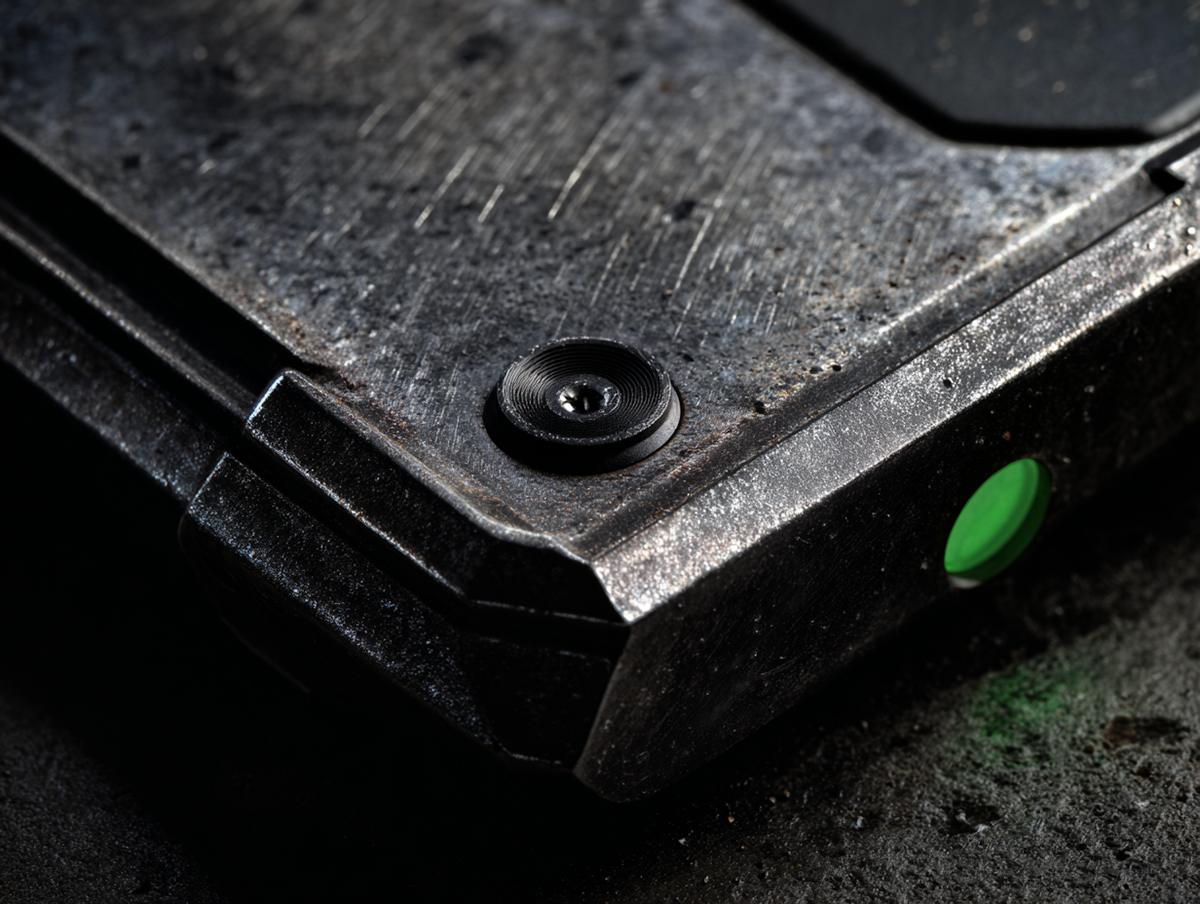
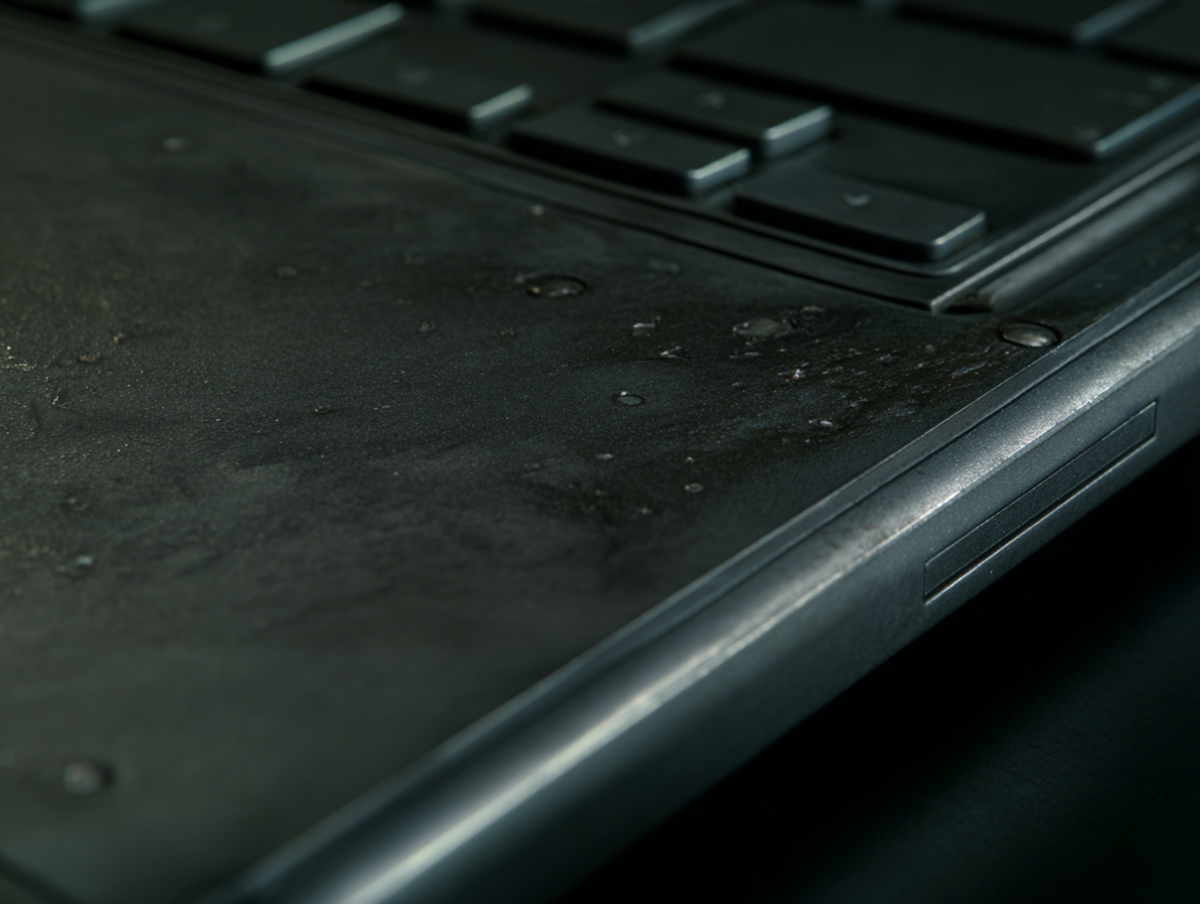
P E R M A N E N C E
We value objects and spaces that last physically, visually, and emotionally.
R E P A I R A B I L I T Y
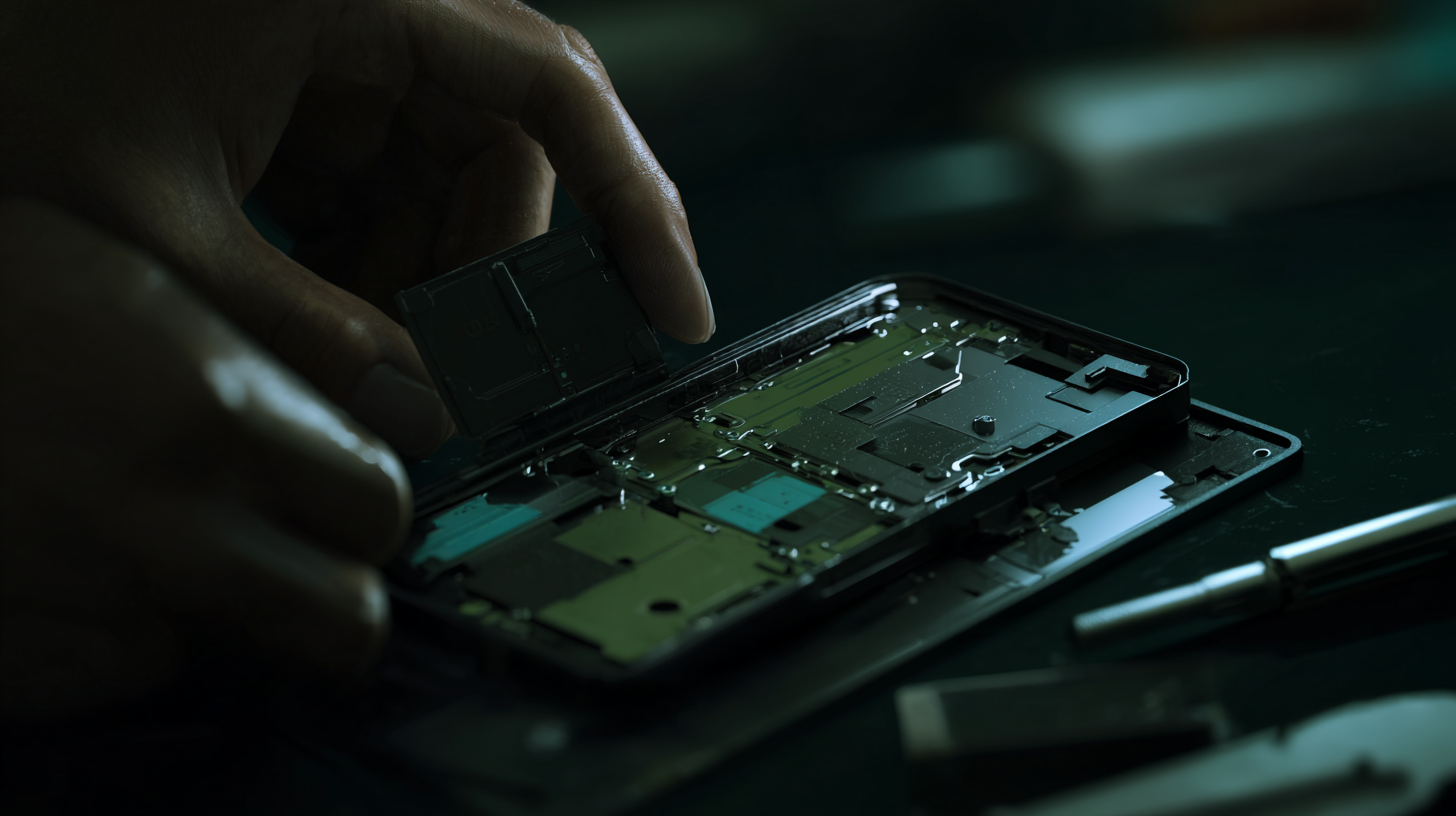
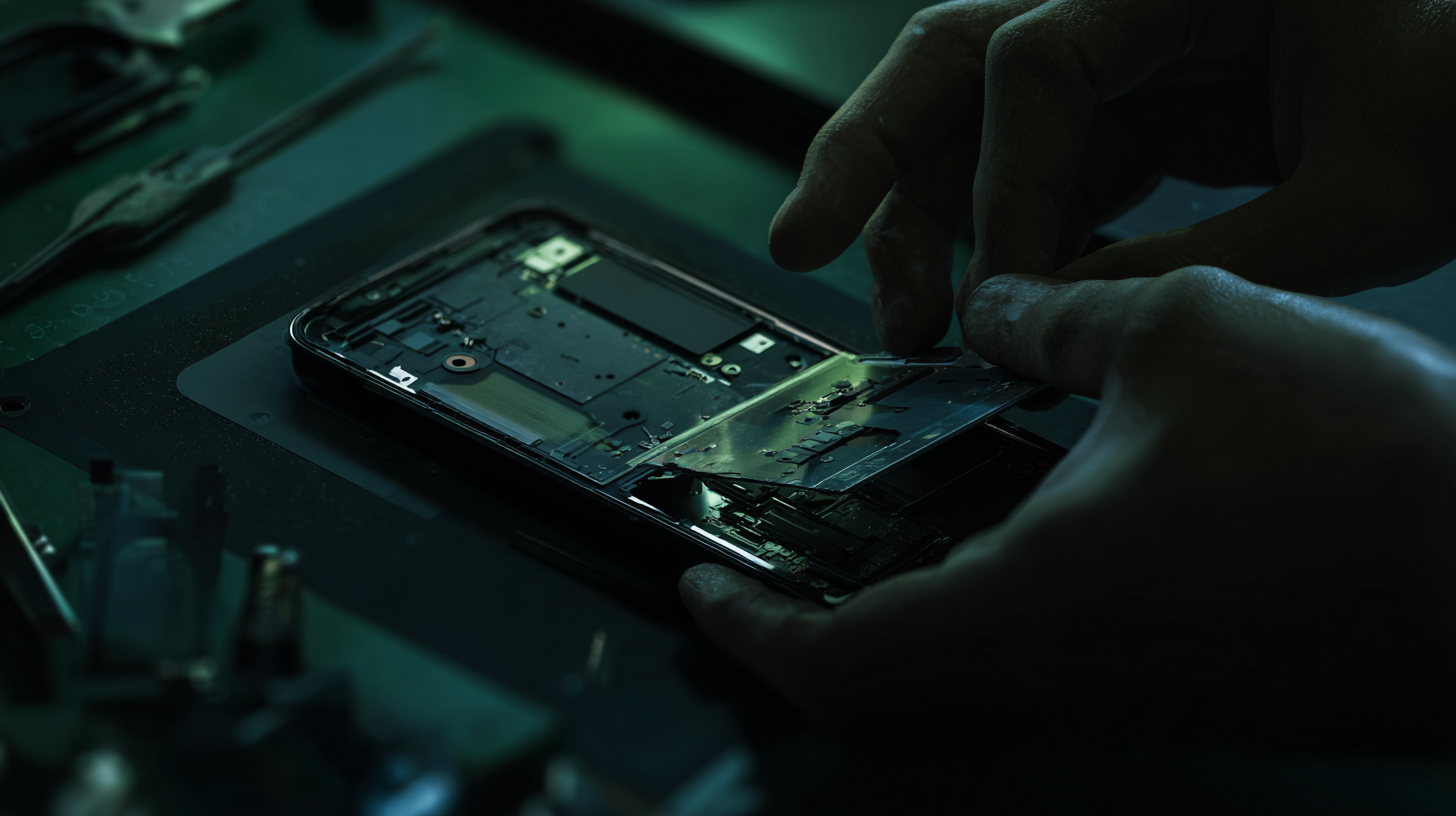
Products should be openable, comprehensible, maintainable, and upgradeable.
C O H E R E N C E
Hardware, software, and architecture, should exist as one system.
R E S T R A I N T
Luxury comes not from ostentation, but simple lasting design.
M E A N I N G
Technology should feel intentional and ceremonial, not disposable and forgettable.
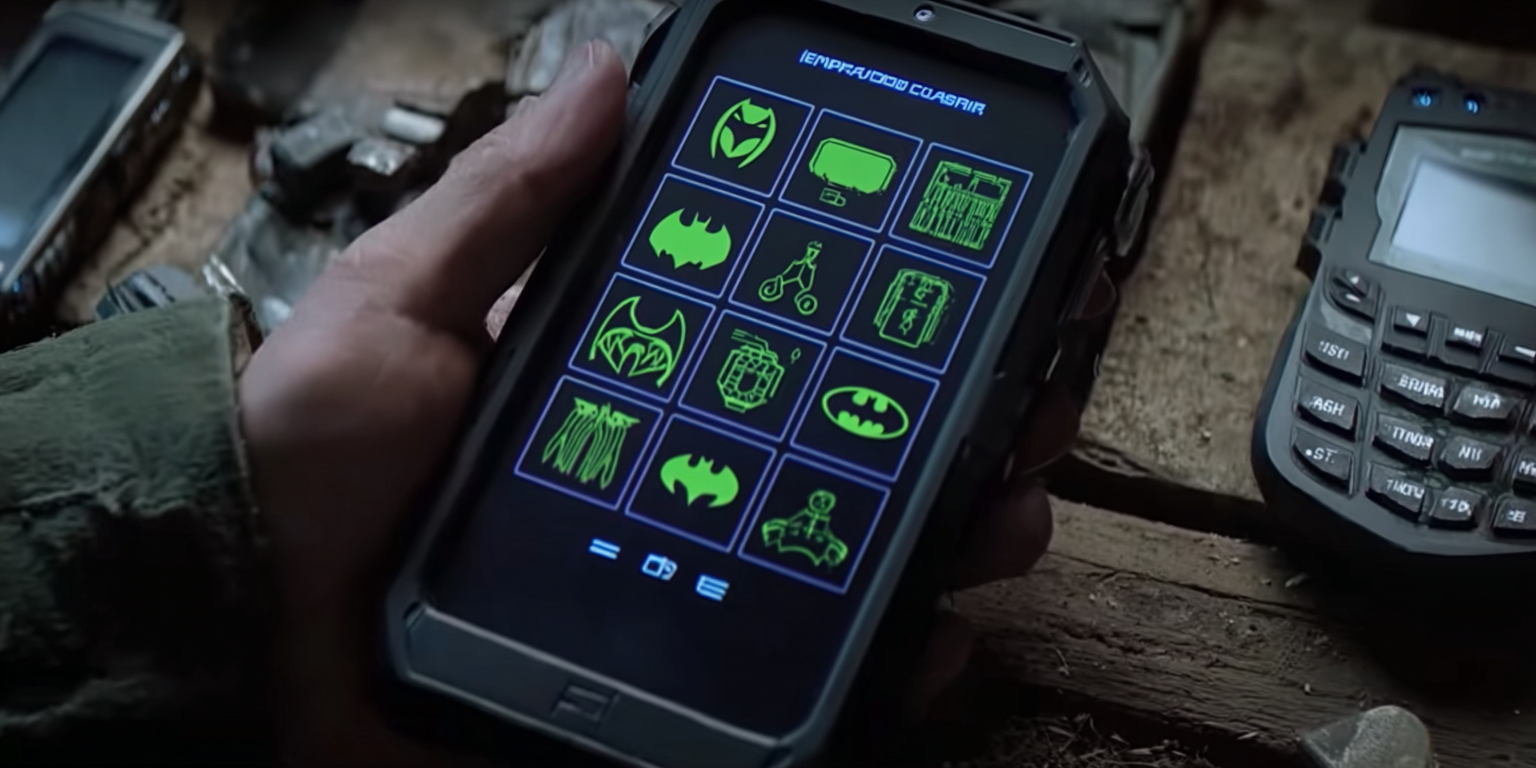
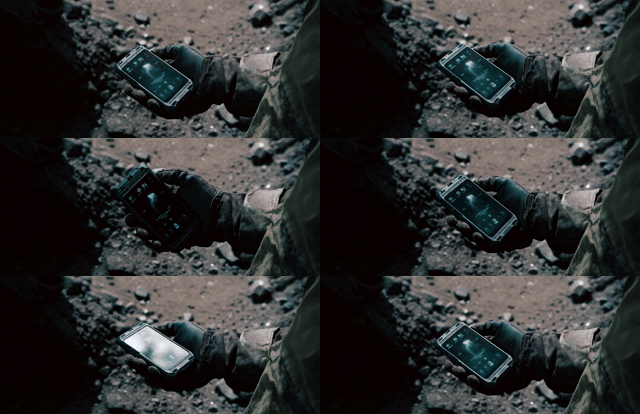
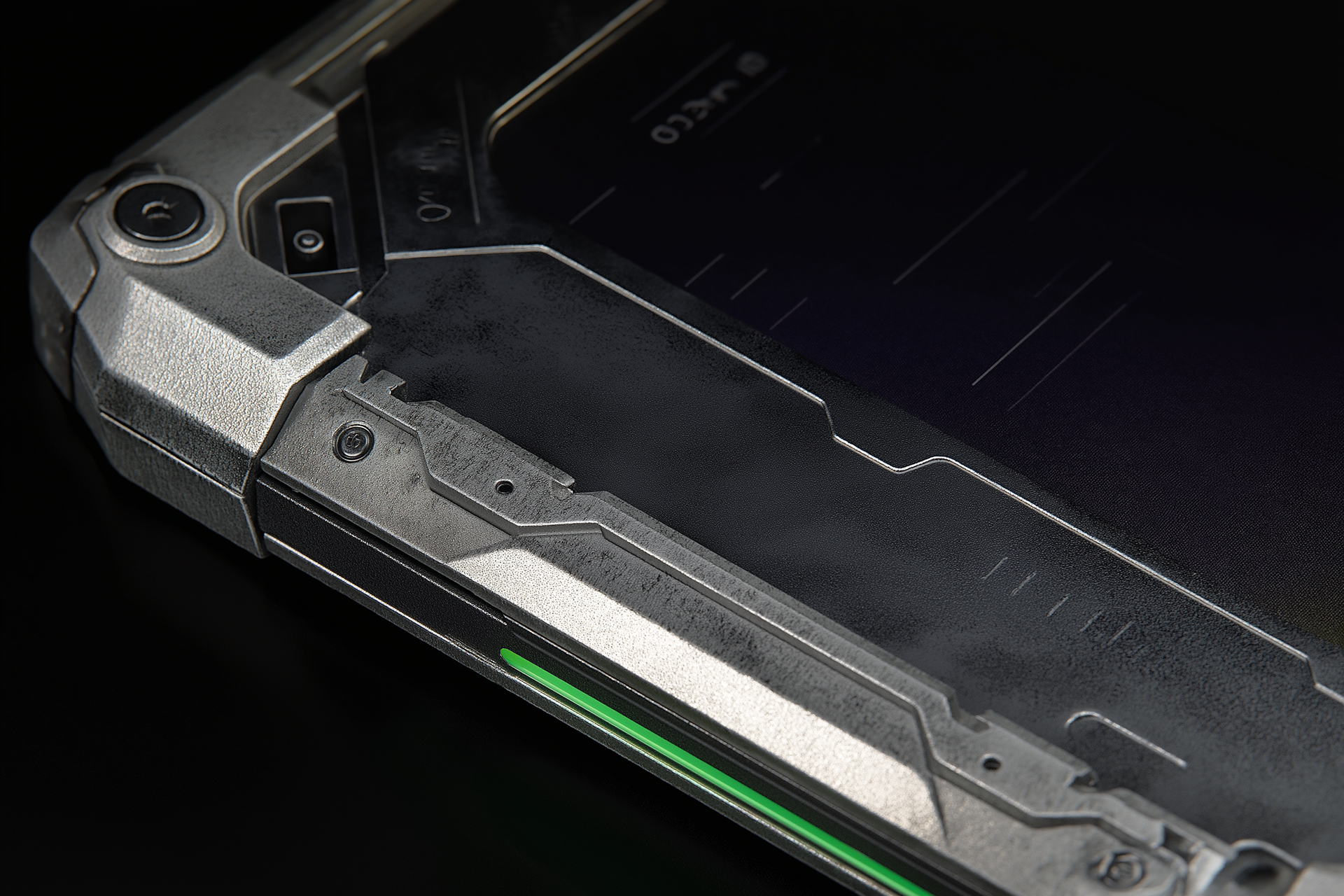
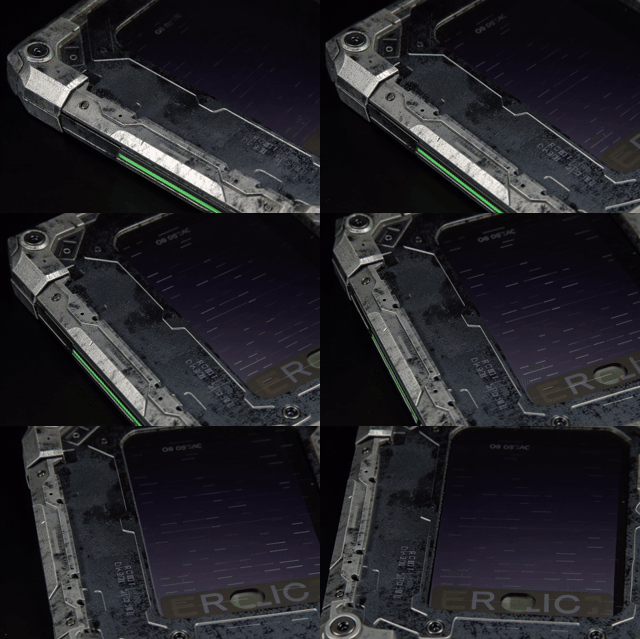
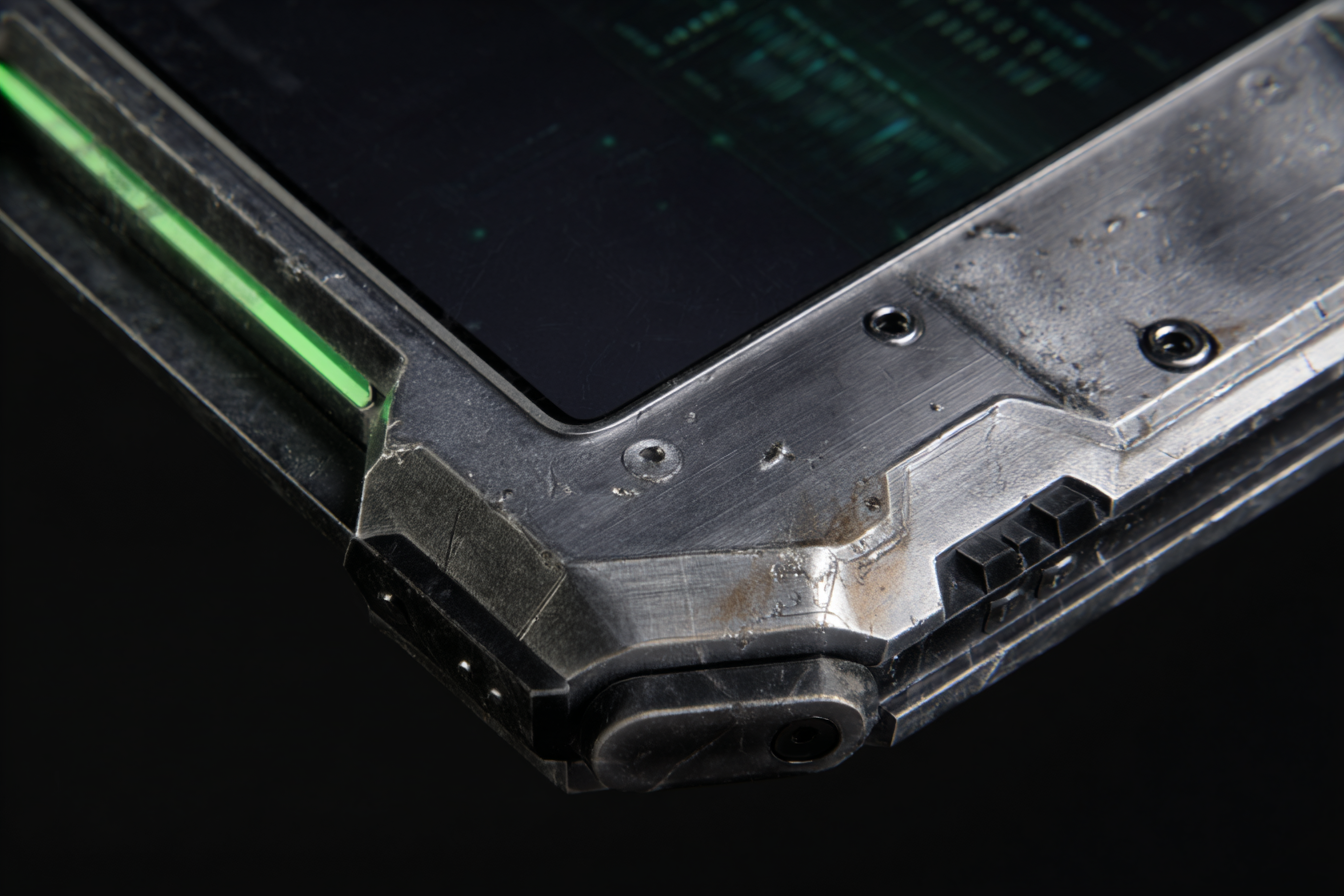
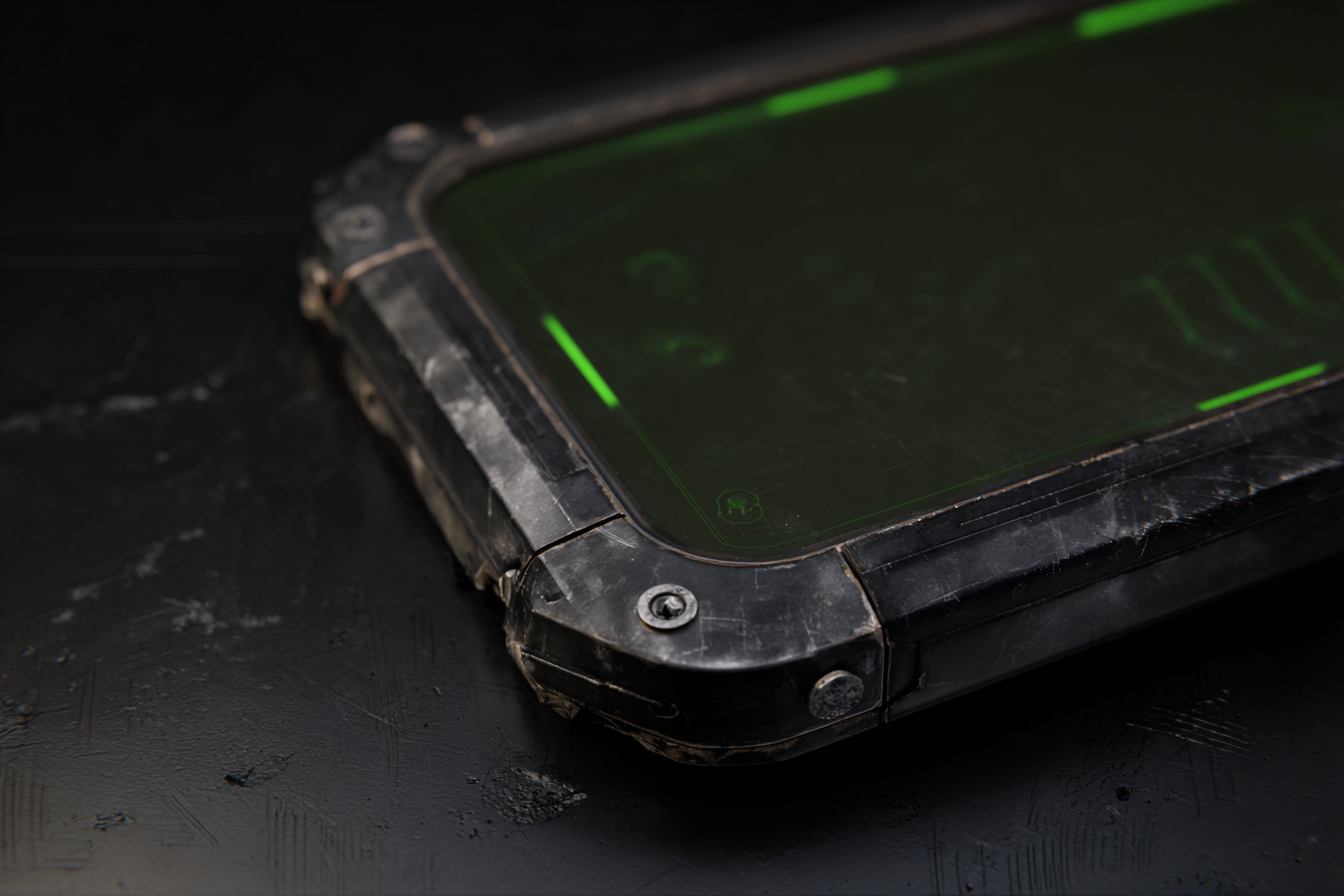
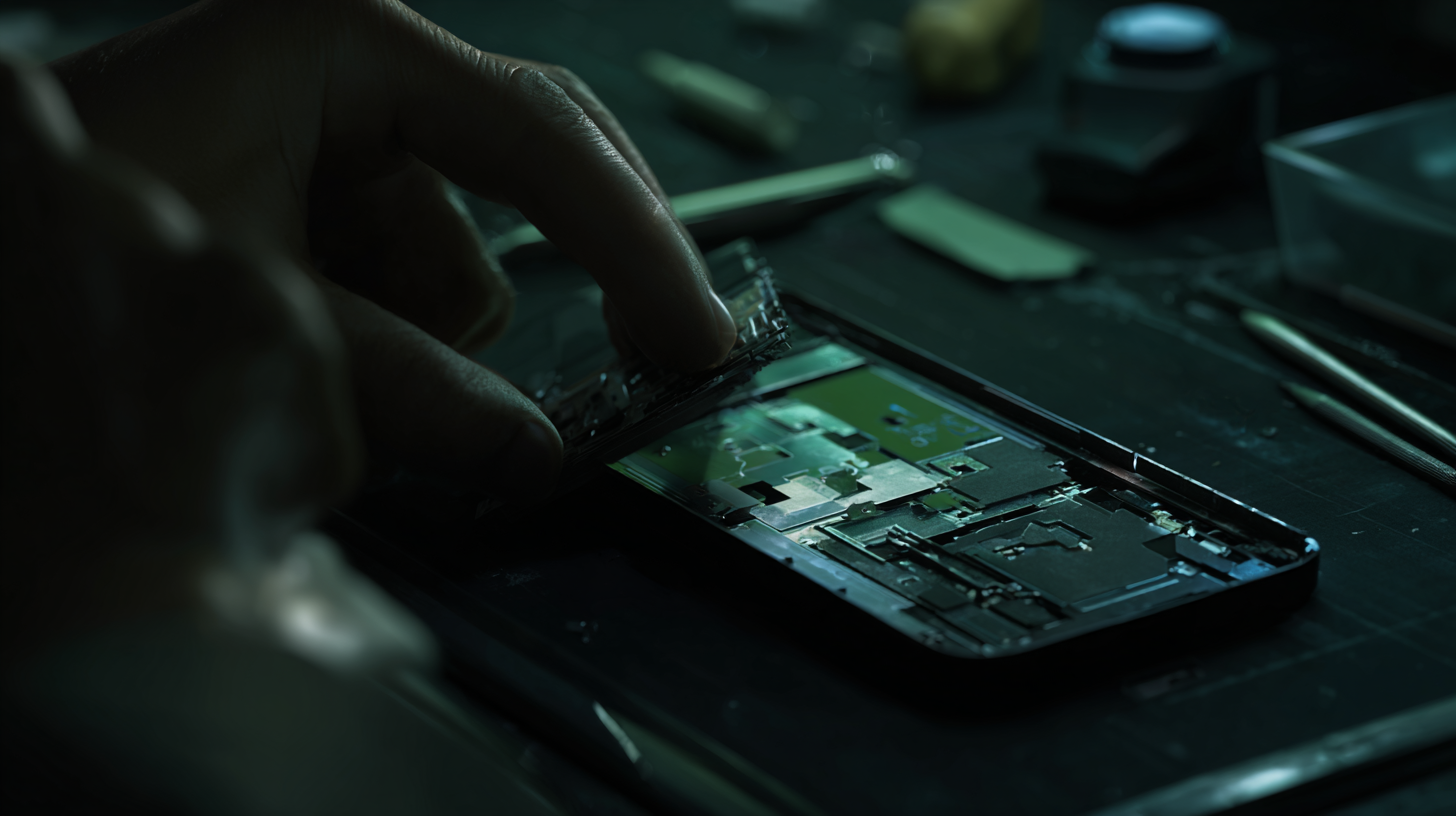
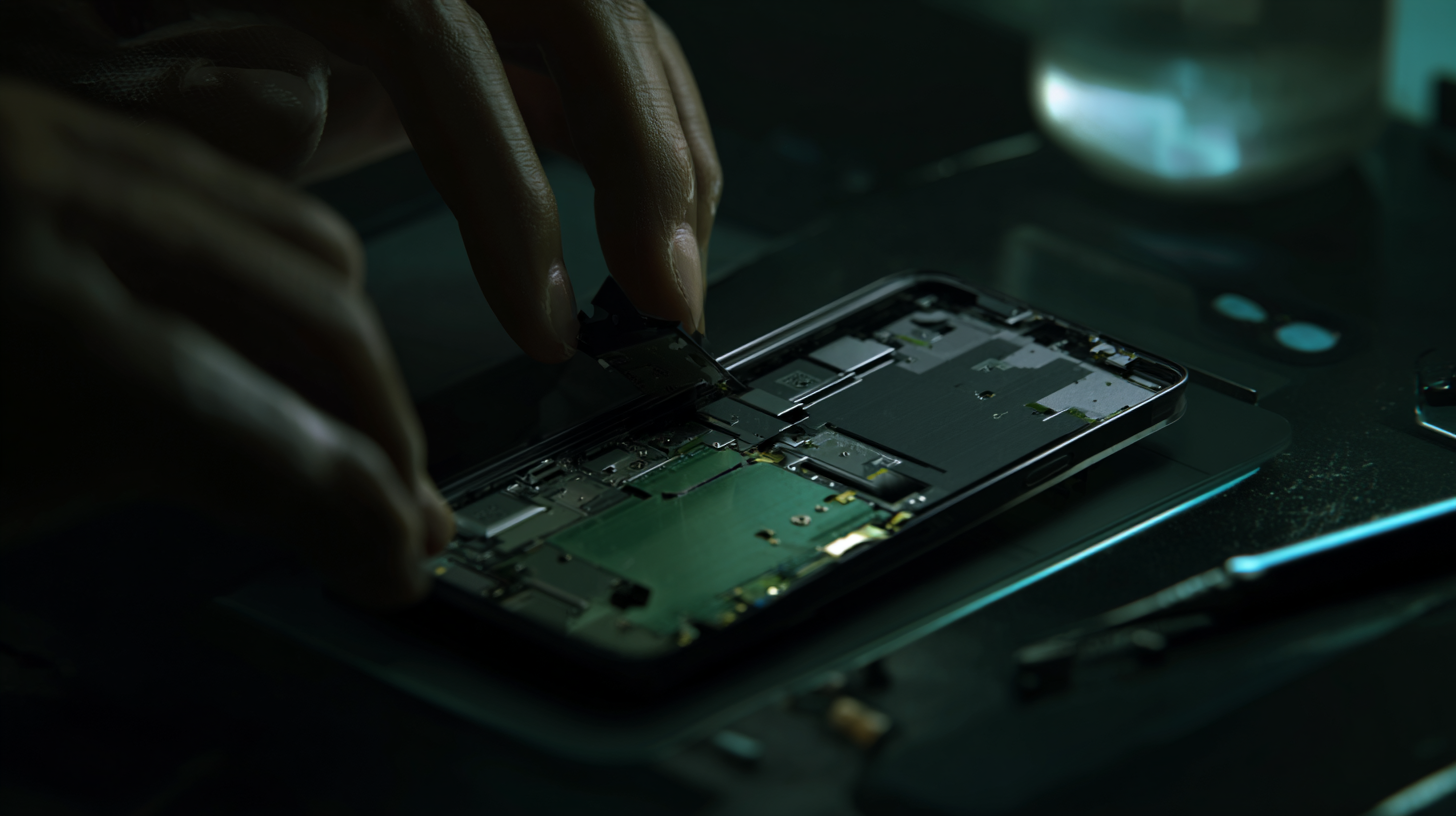
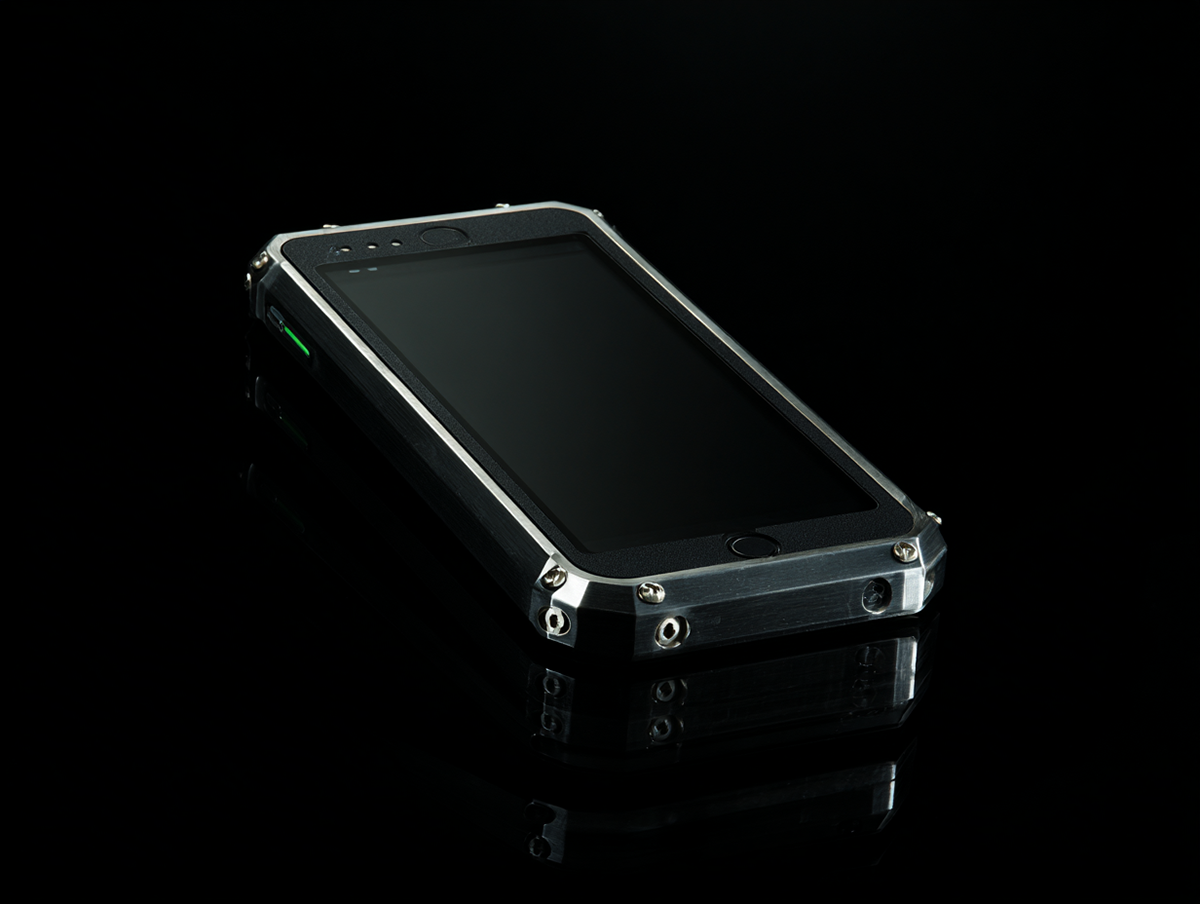
Relic phones are modular, durable, and visually unmistakable.
The phone rejects the sealed disposable design, by restoring serviceability, and adding upgrade capability.
S T R A T E G Y
• Replaceable battery, screen, and internals
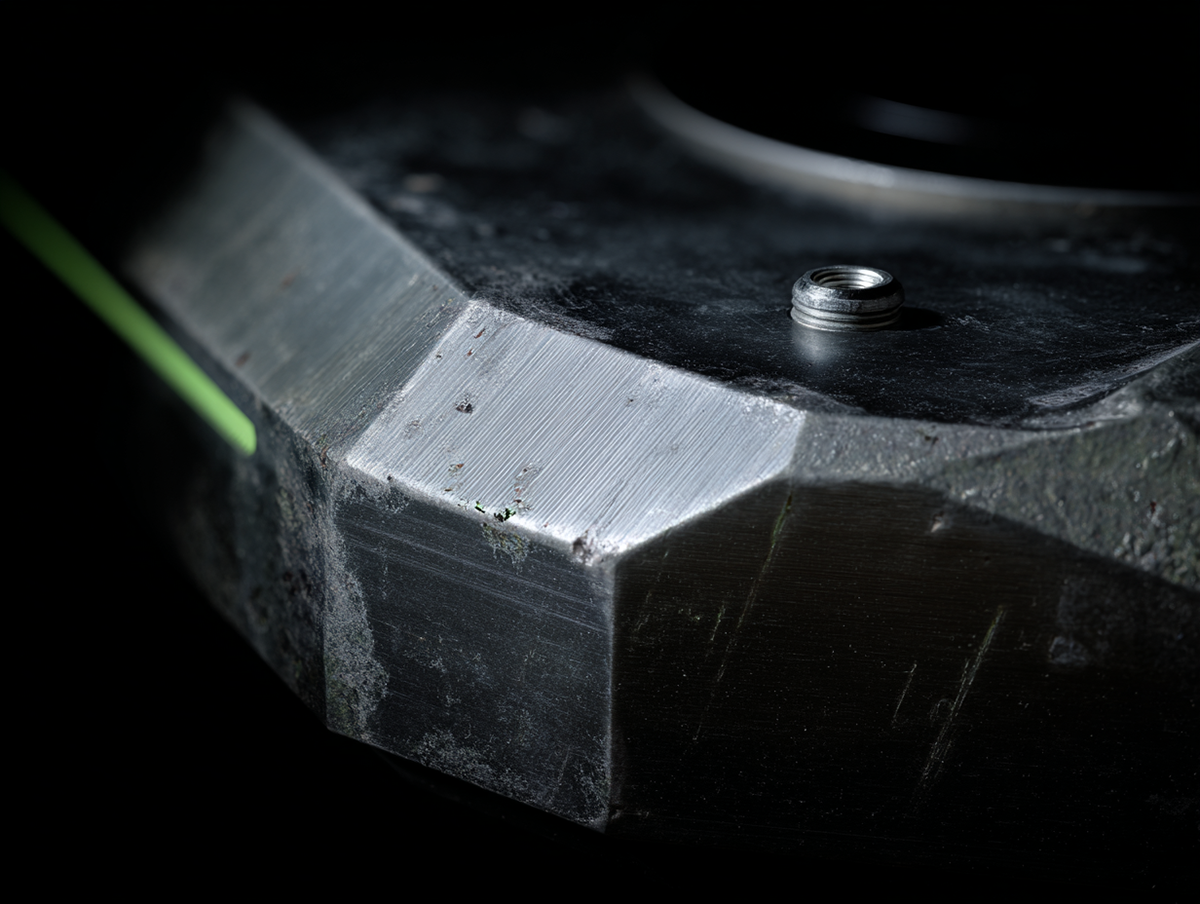
• Premium materials and unforgettable built-in cases
• AI assistant that predicts your next move, and proactively improves your life
• An OS that is calm, fast, and visually coherent
• Android app compatibility
Built to be kept, repaired, and upgraded over time.
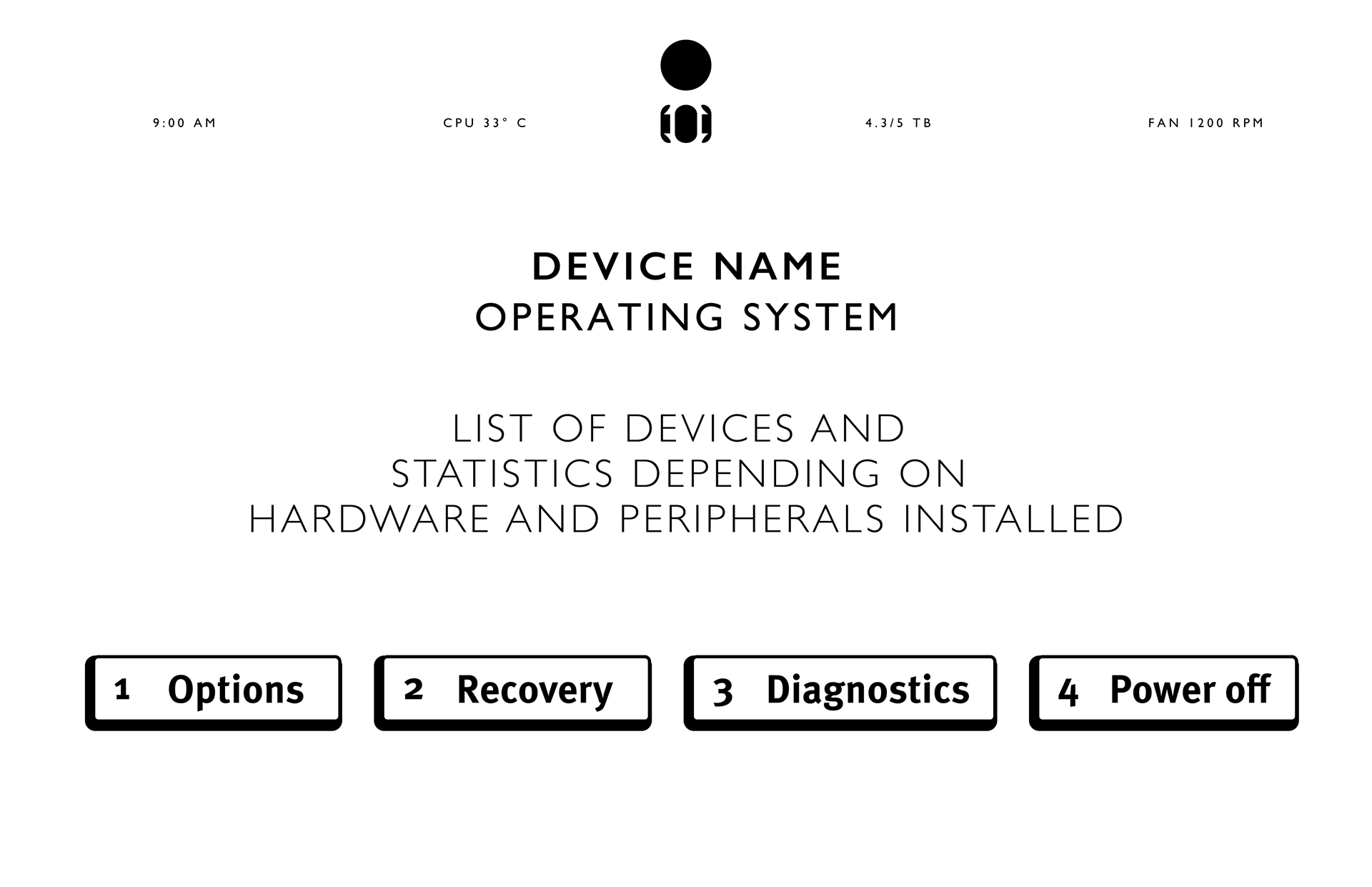
Software built for the near, and far future.
Relic is the genre-defining operating layer of life in the future.
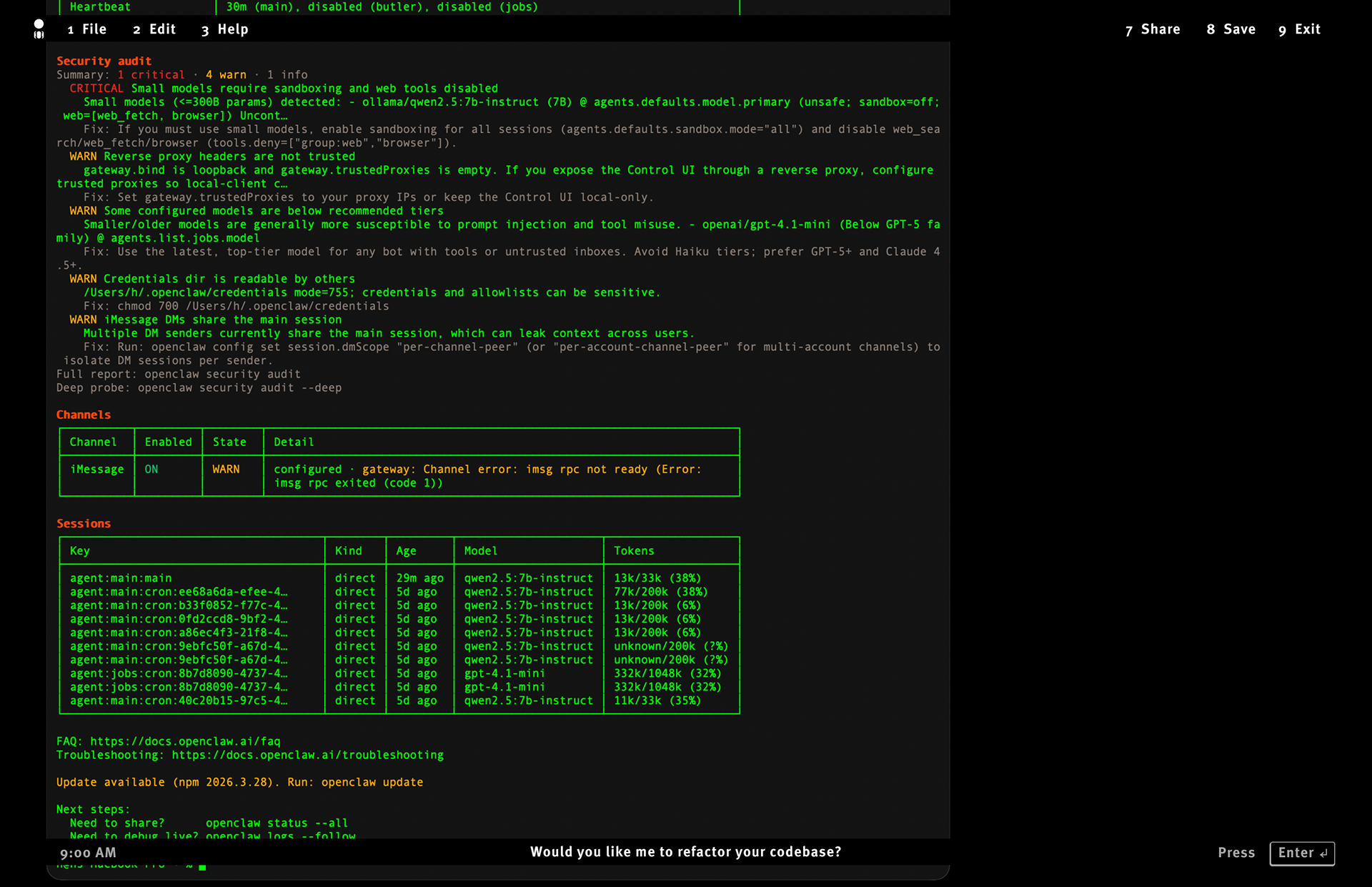
S T R A T E G Y
• Simple information hierarchy
• Keyboard-first efficiency
• Predictve work-horse AI assistant
• High legibility in outdoor full sunlight
• Type to search, with no keyboard shortcut
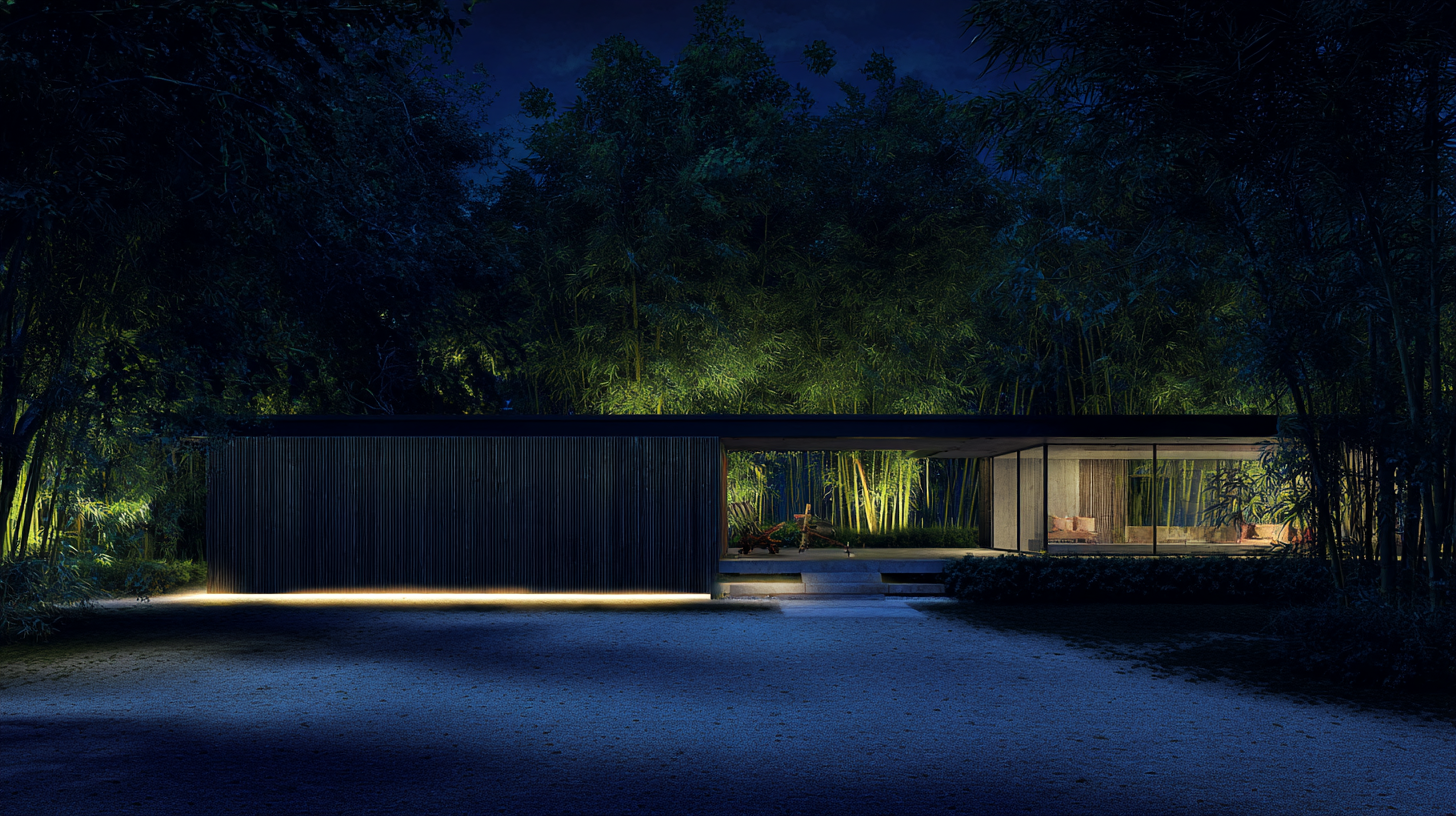
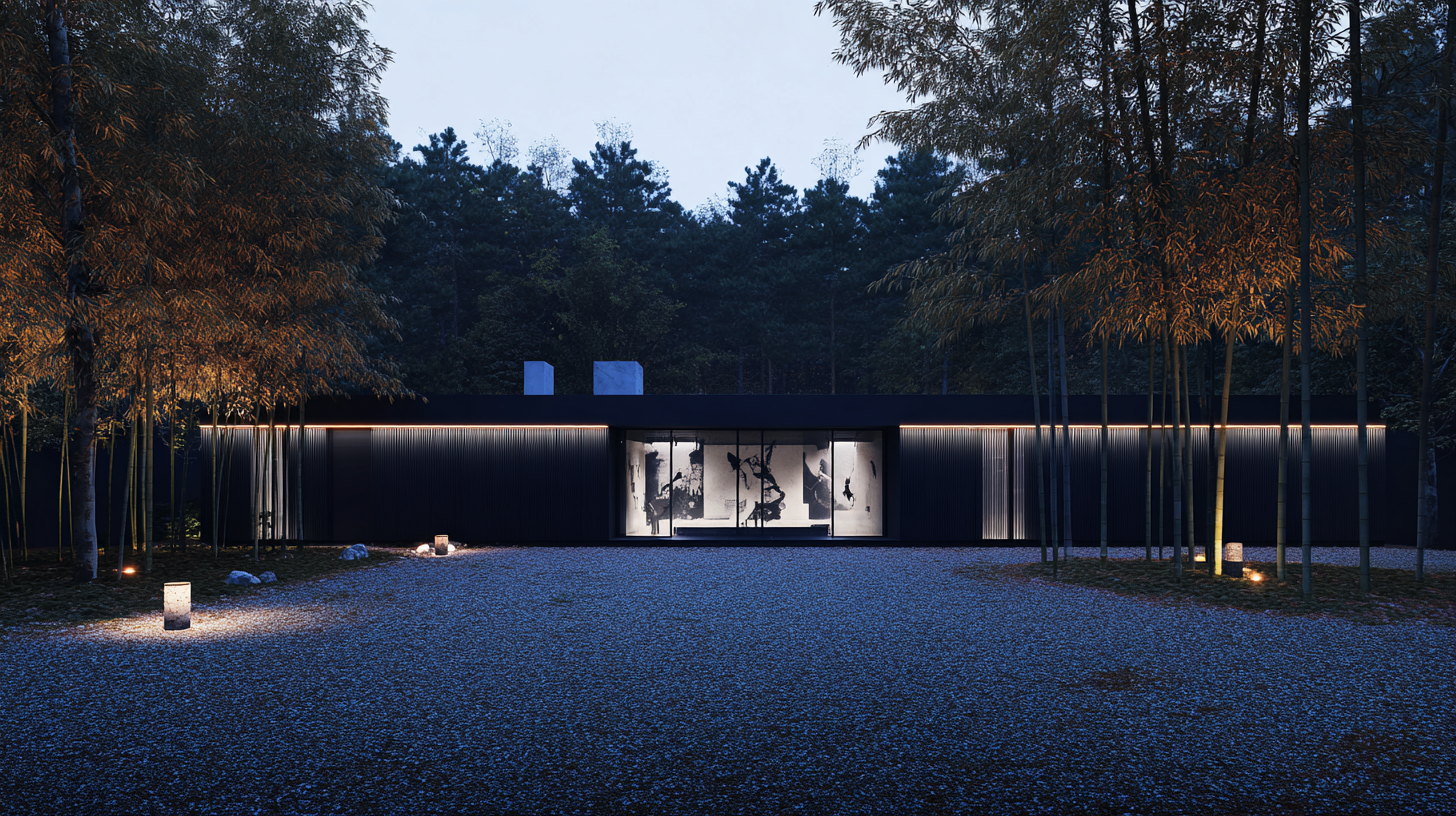
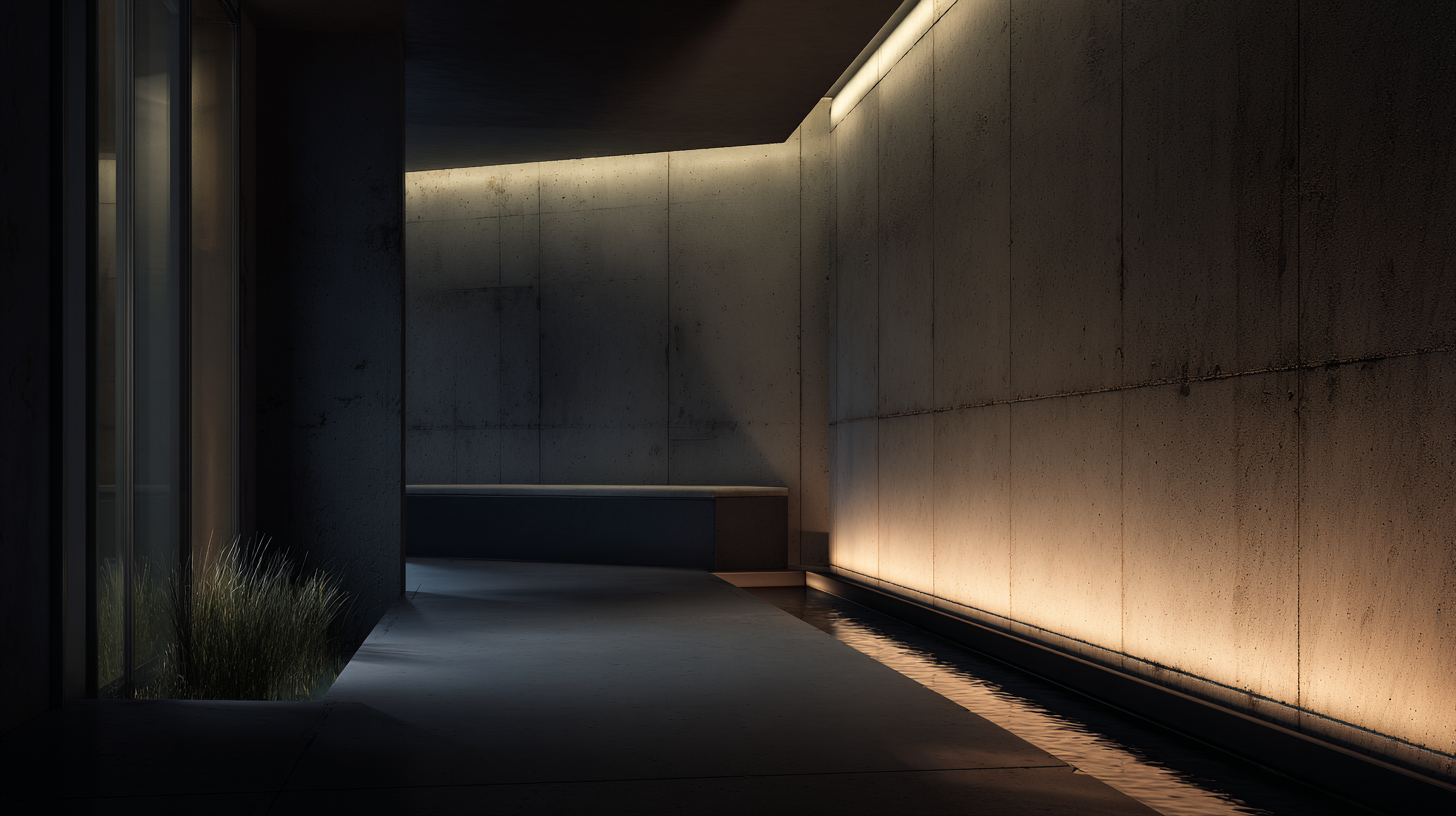
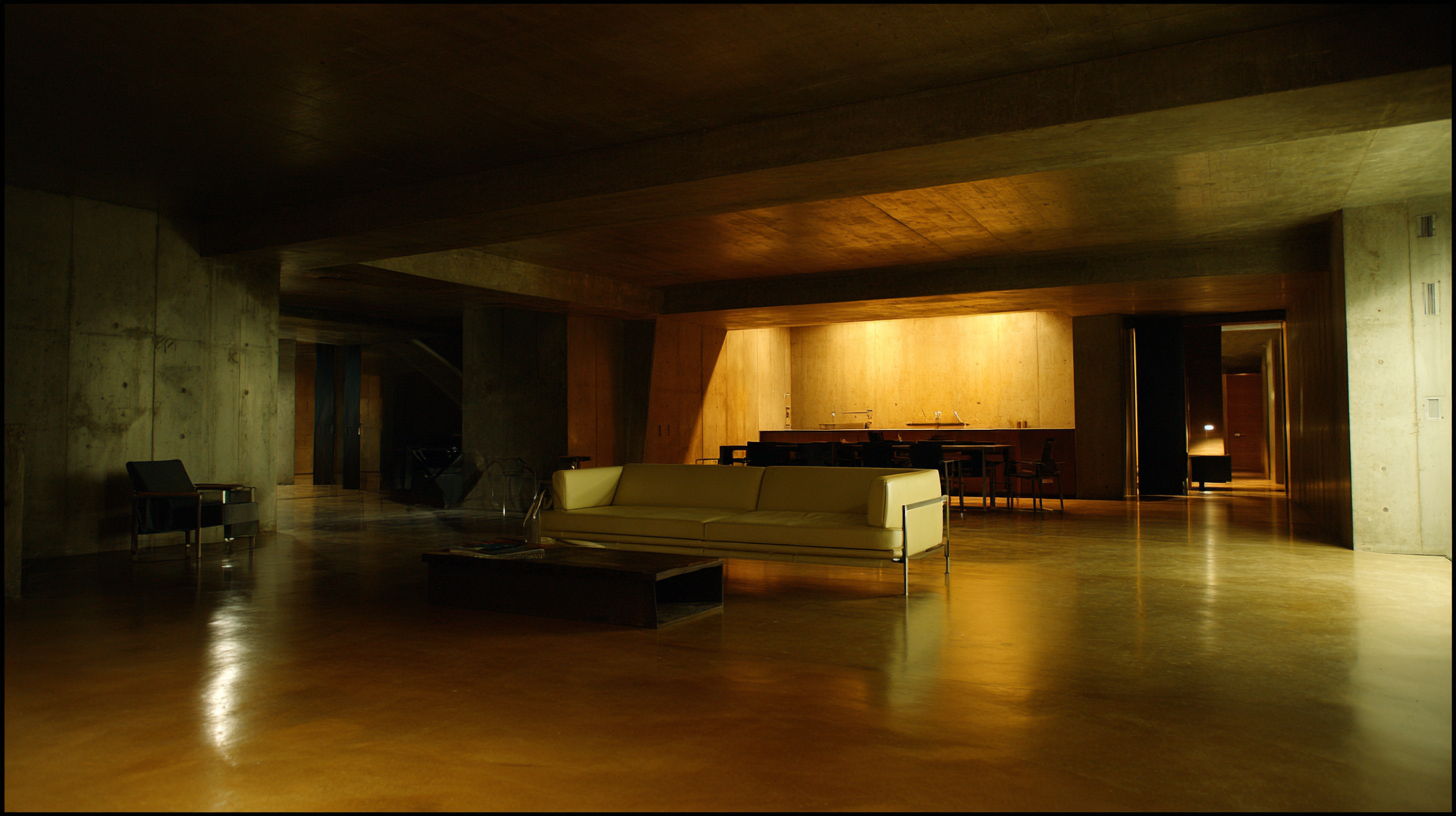
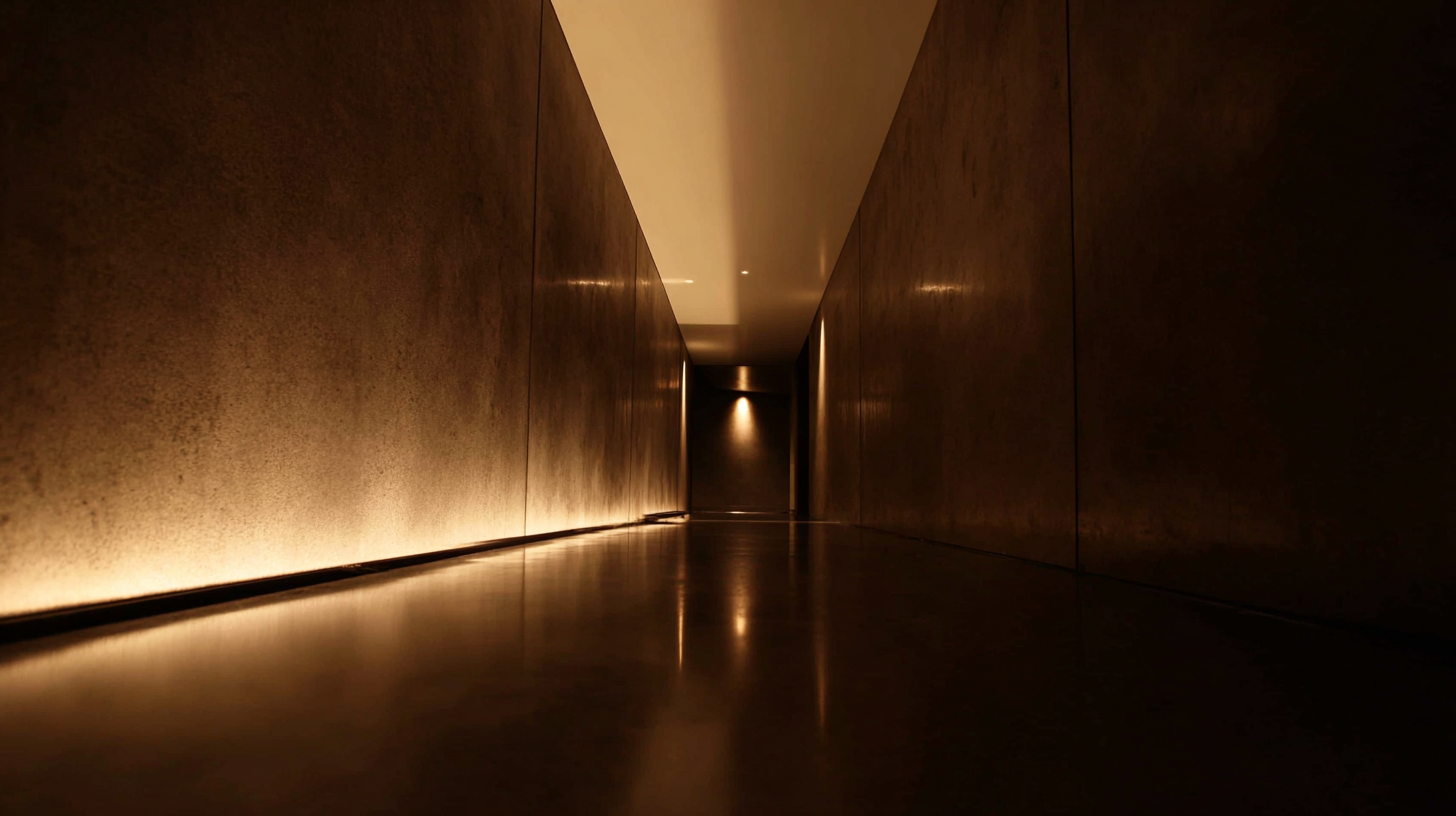
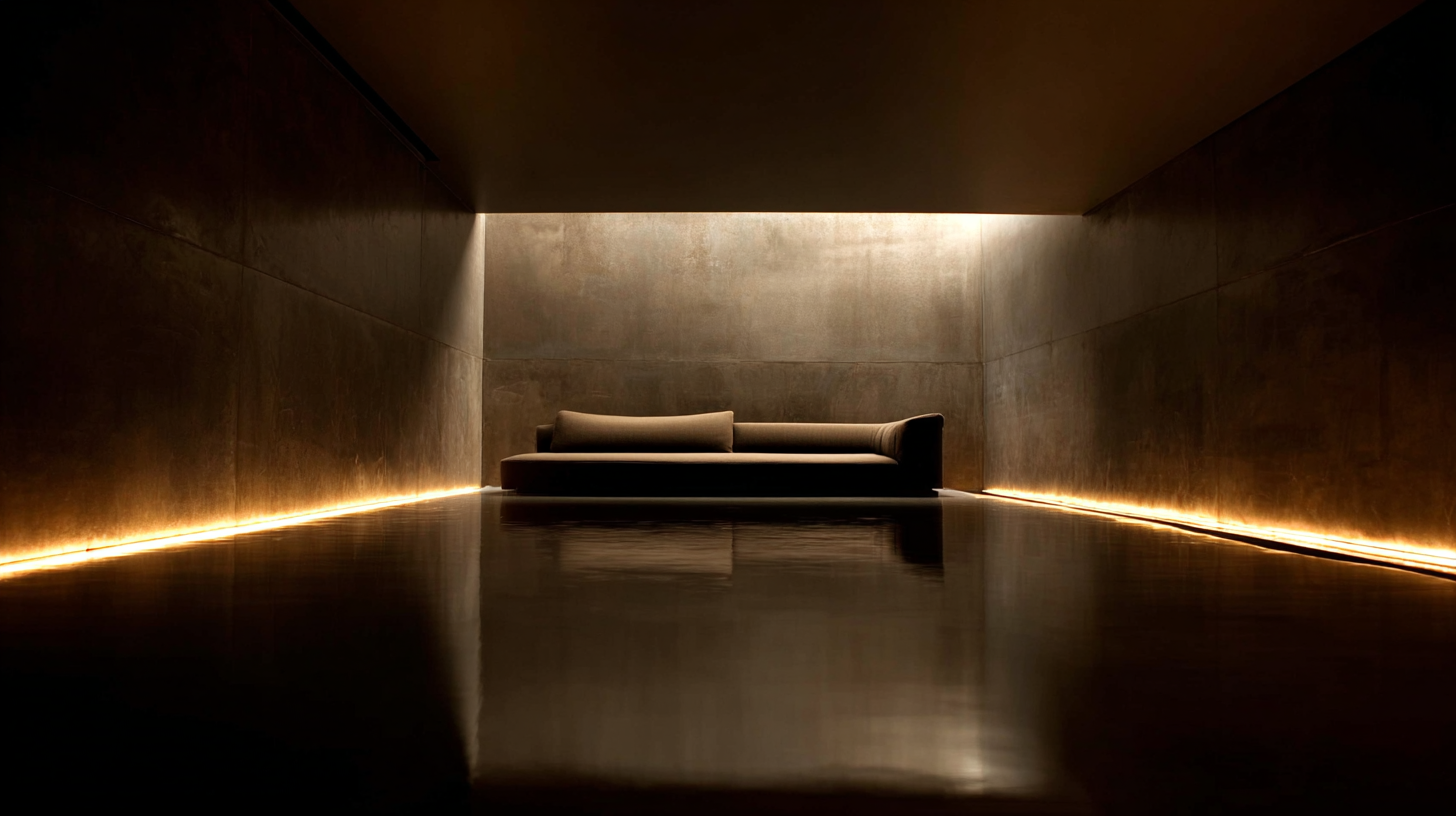

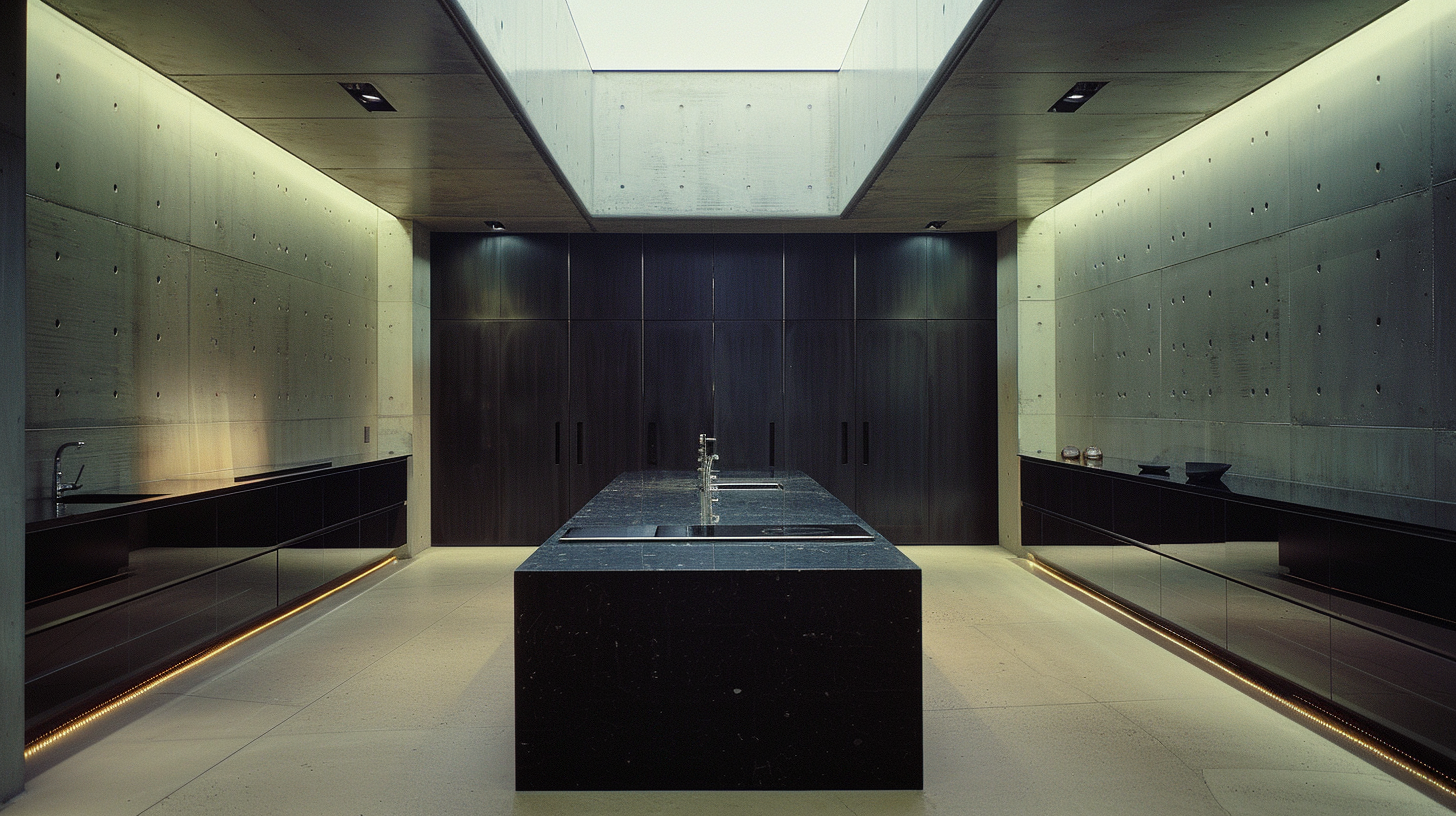
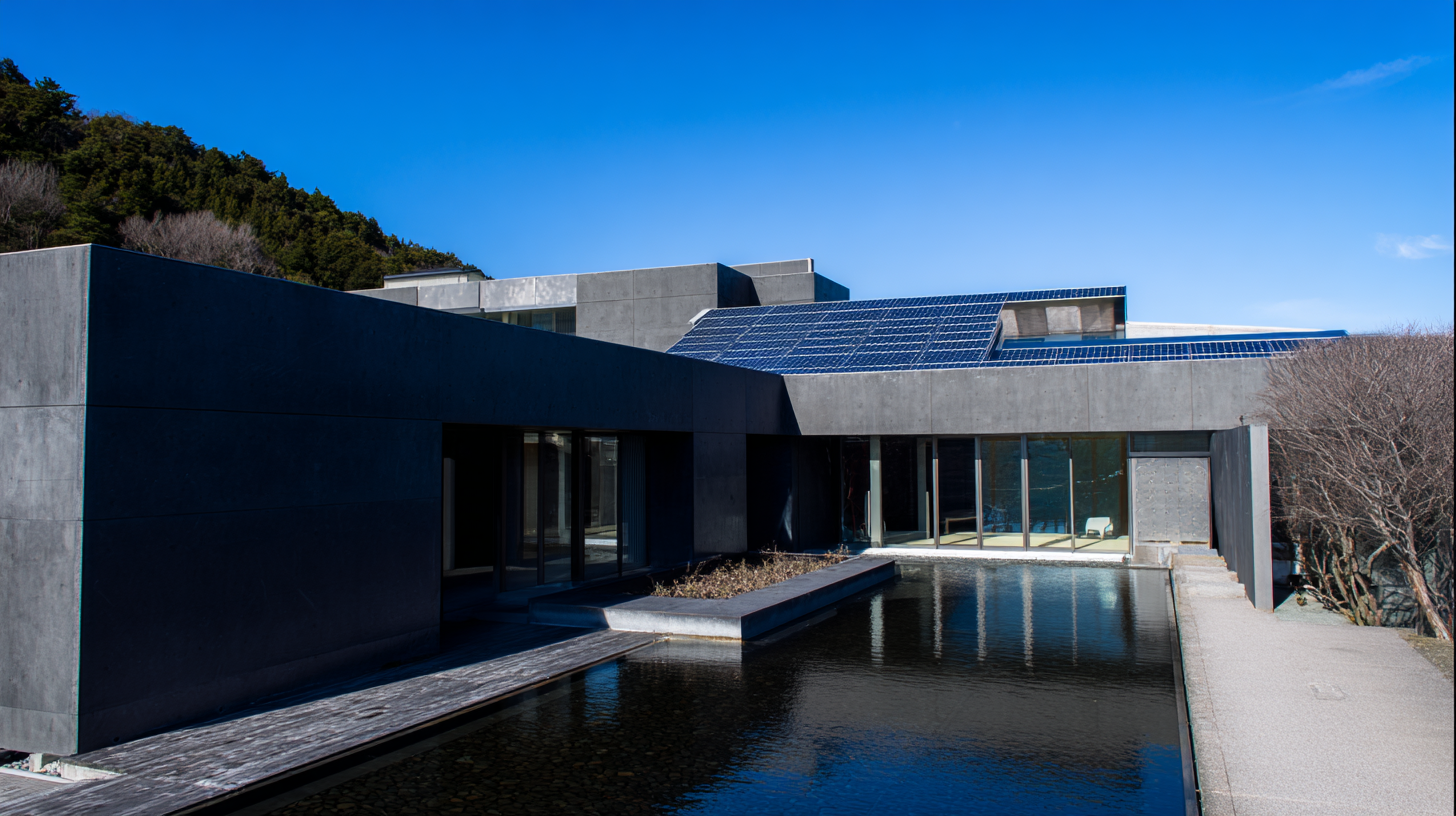
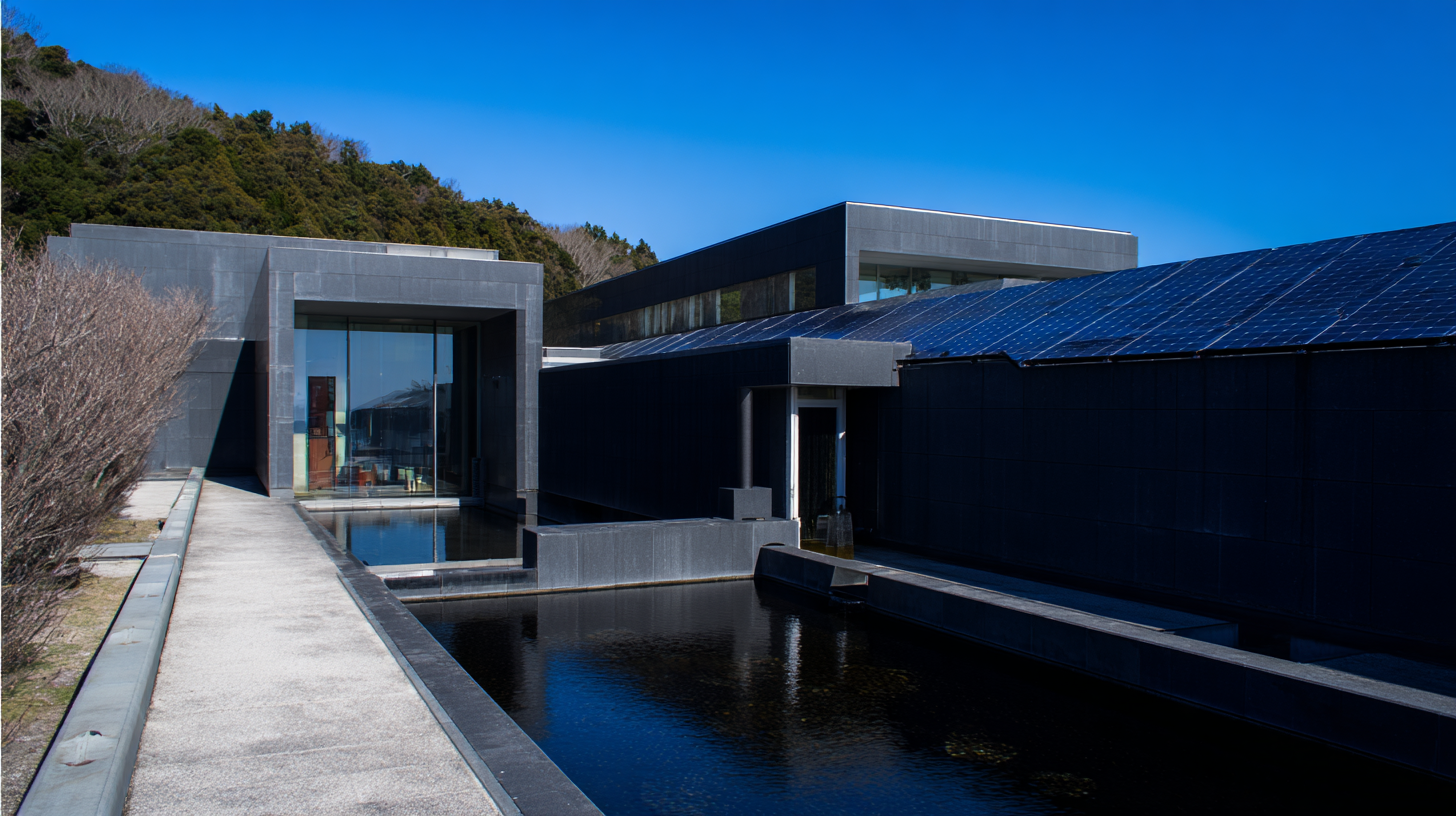
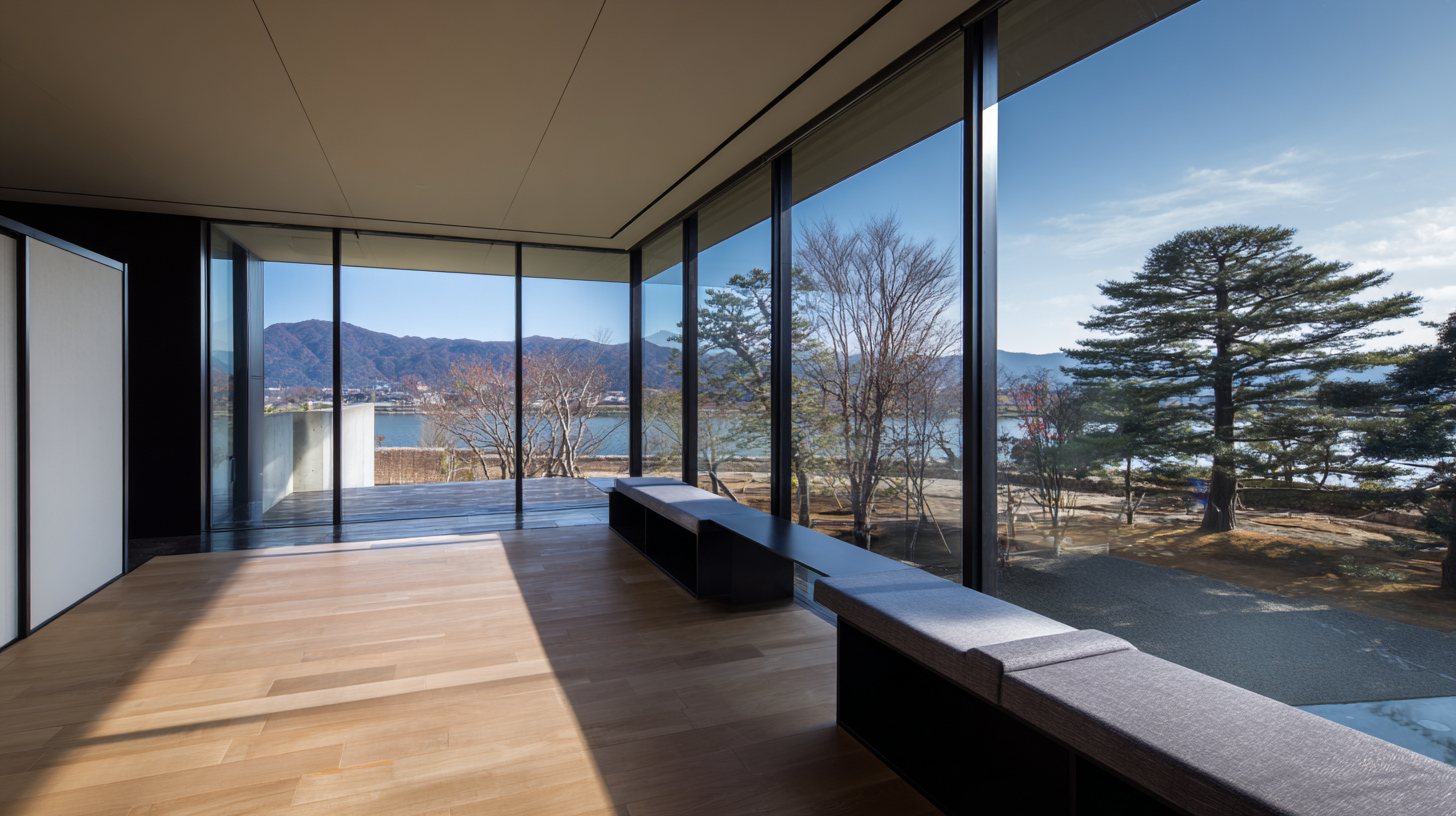
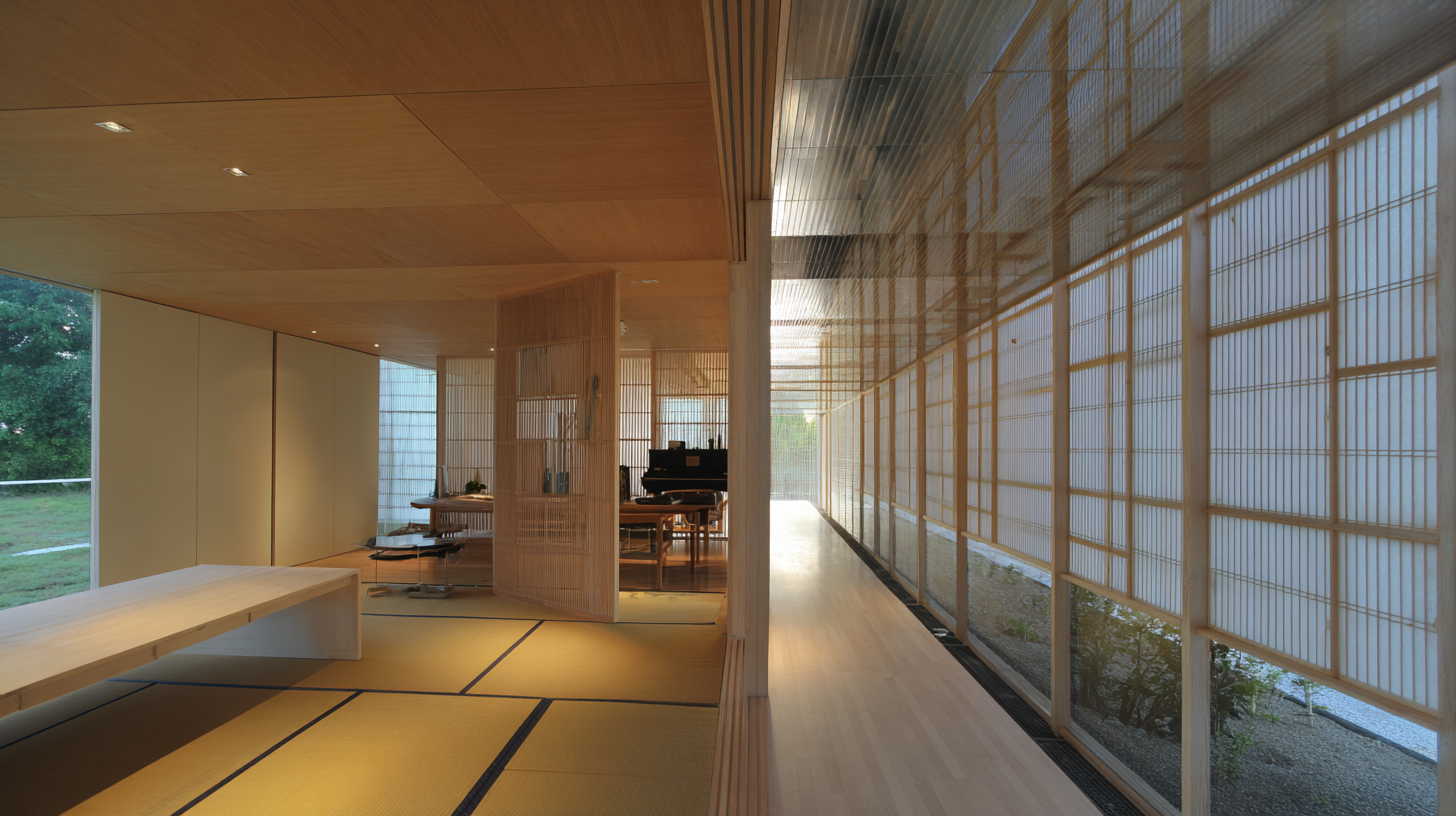
Relic architecture is designed as durable systems, not sealed compositions.
Structure, utilities, lighting, and atmosphere are planned for service and replacement.
S T R A T E G Y
• Permanence of primary structure
• Clear acessible utility routing
• Long-life materials
• Serviceability and upgrade ease
• Concealed complexity, not inaccessible complexity
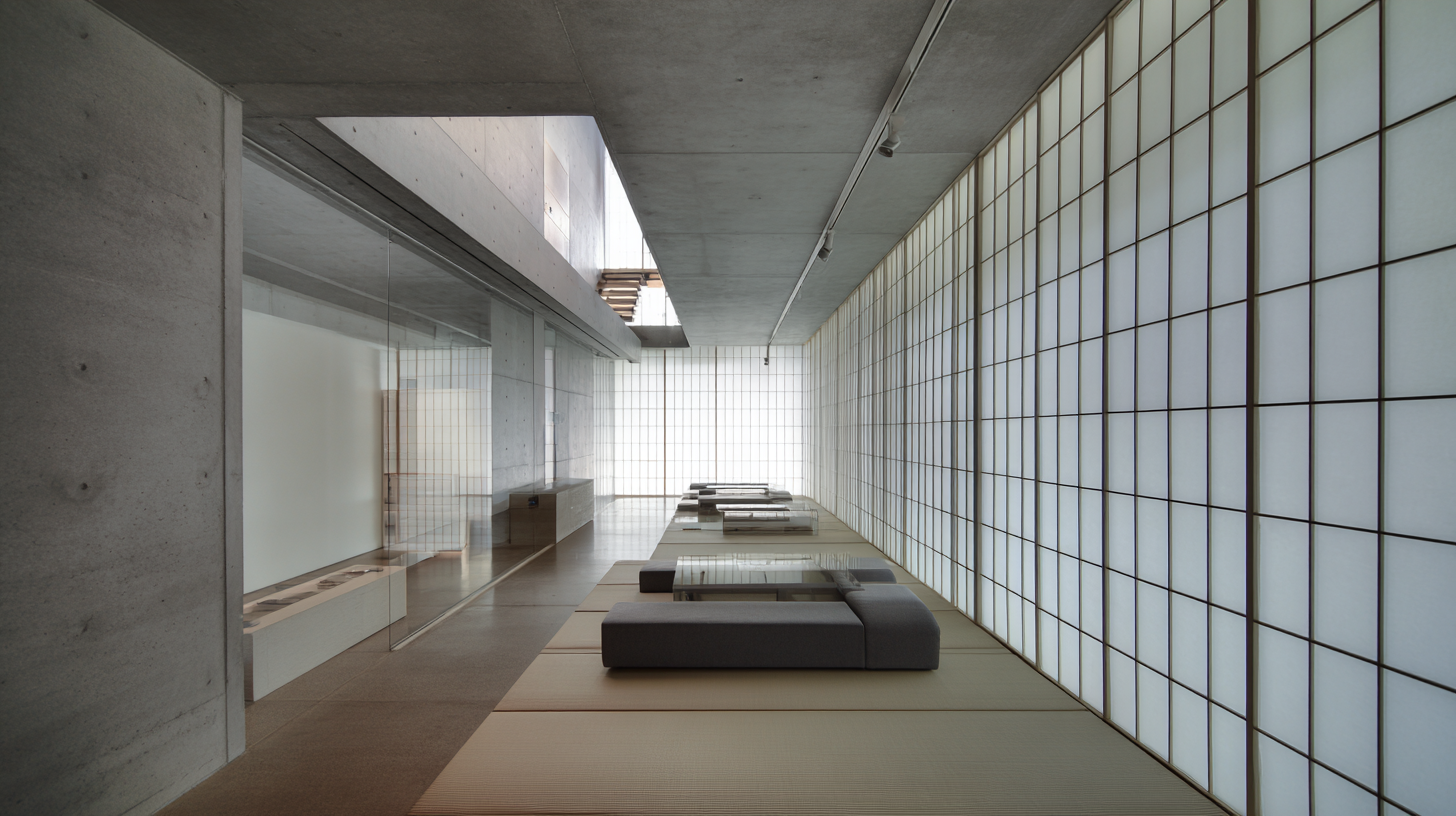
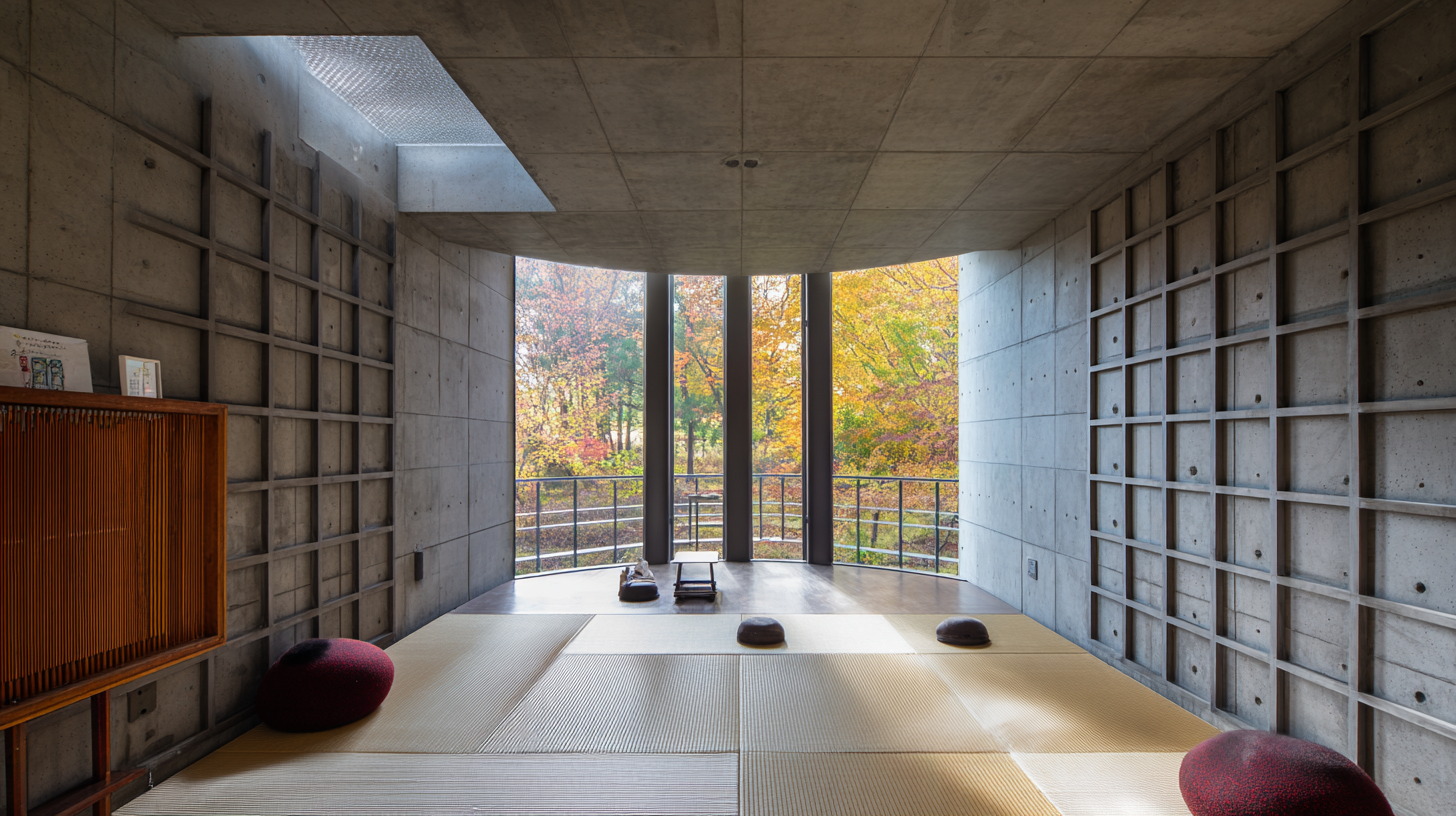
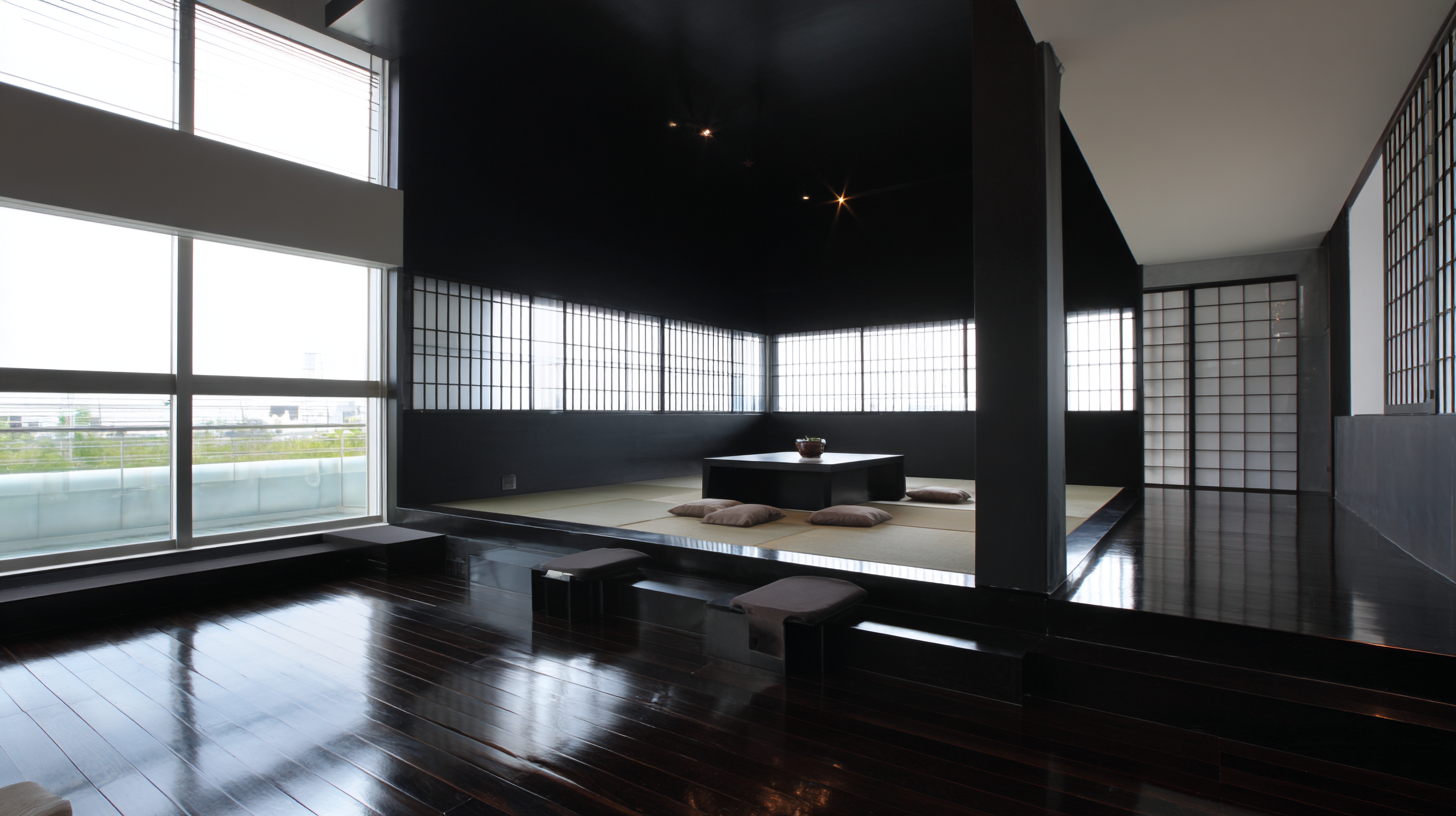
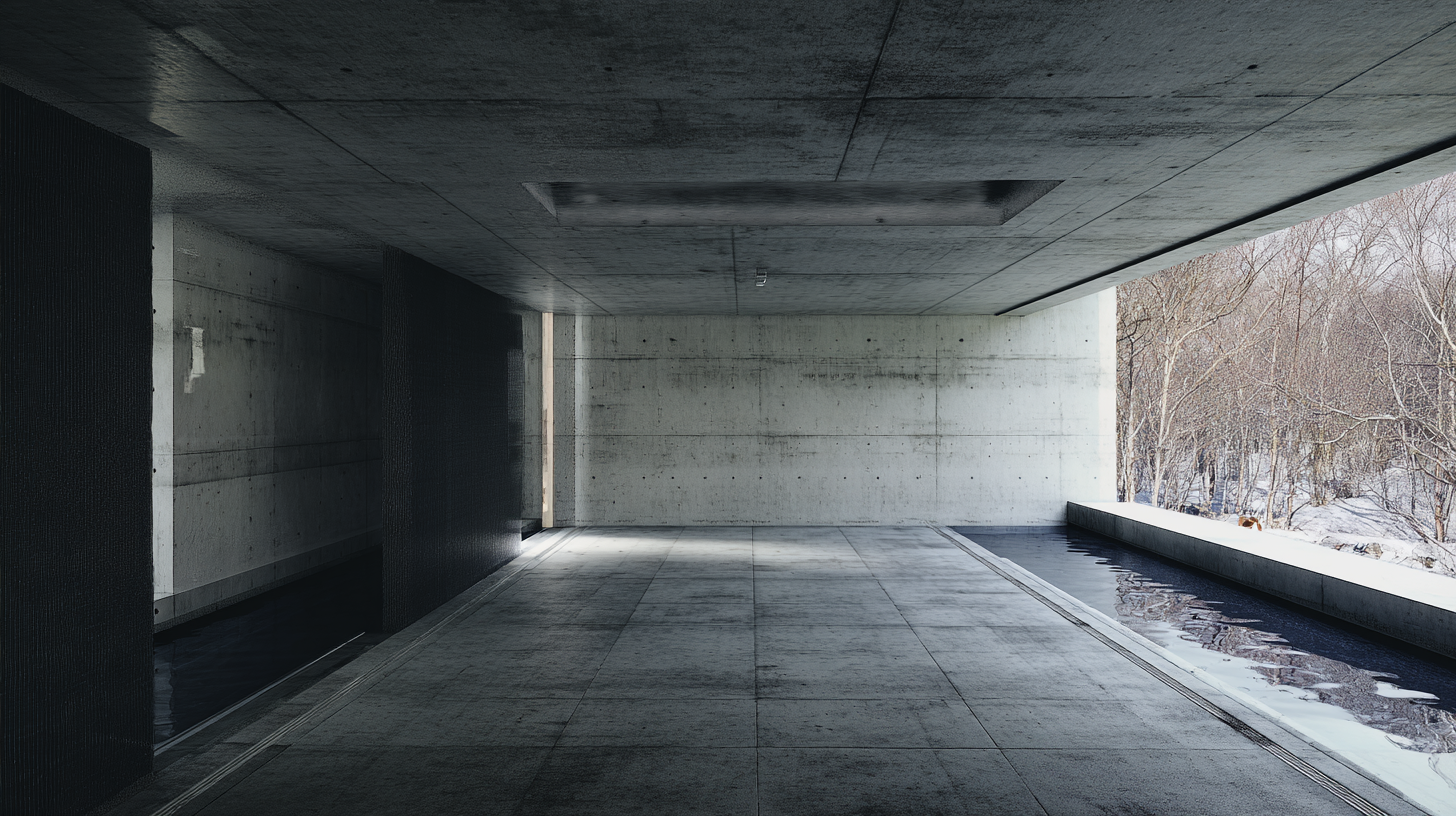
• Spaces that feel monolithic, calm, and ceremonial
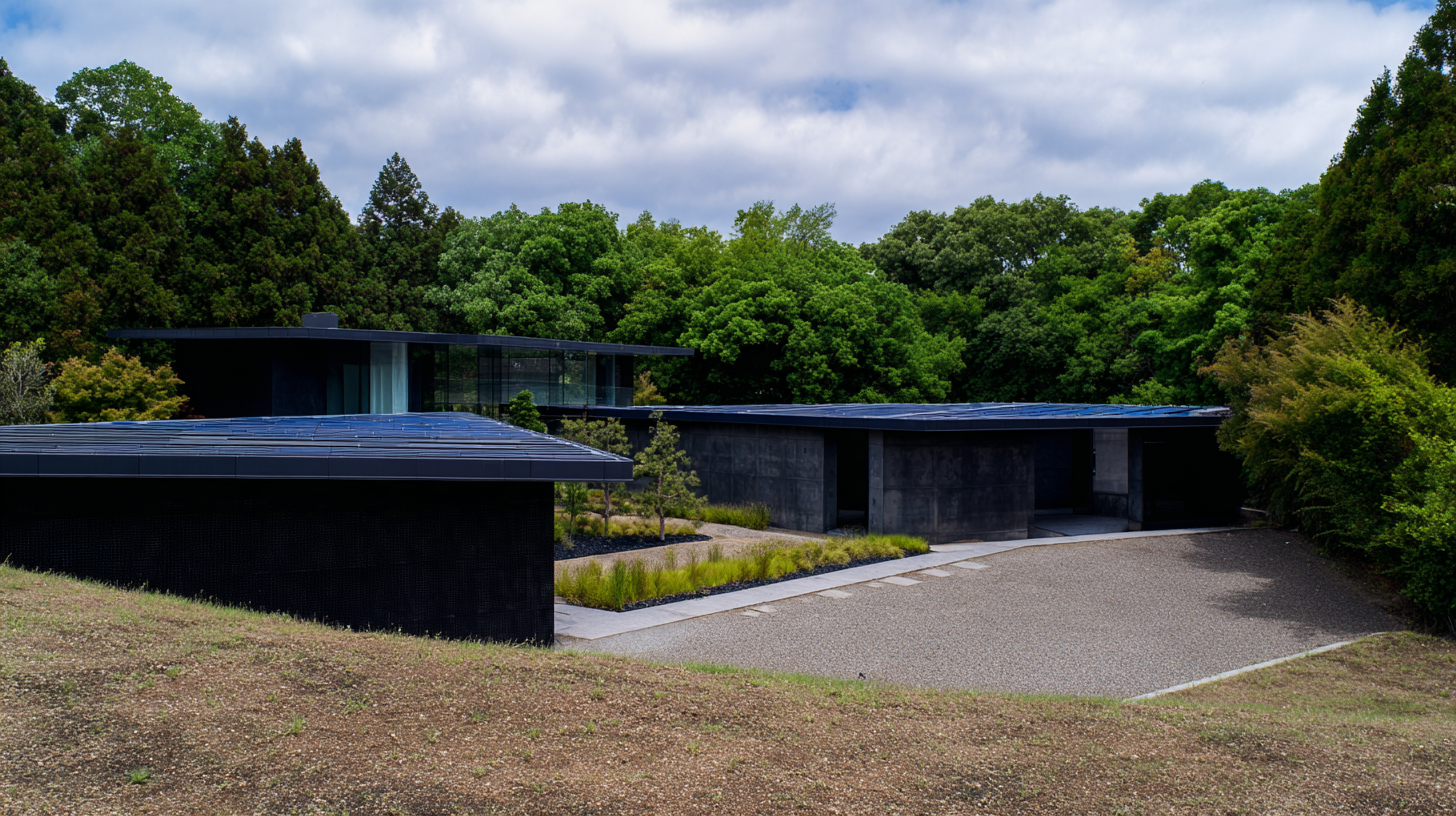


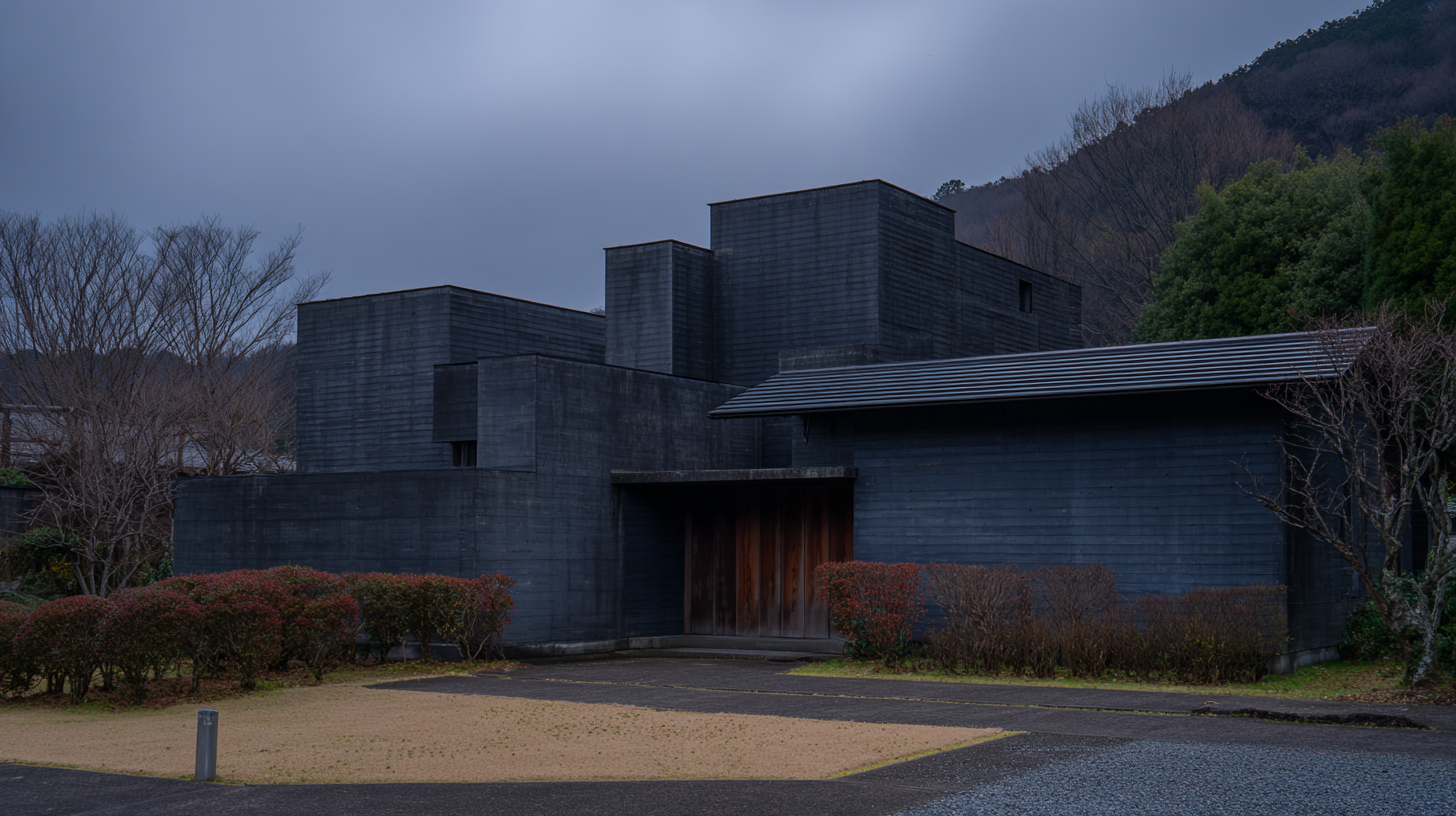
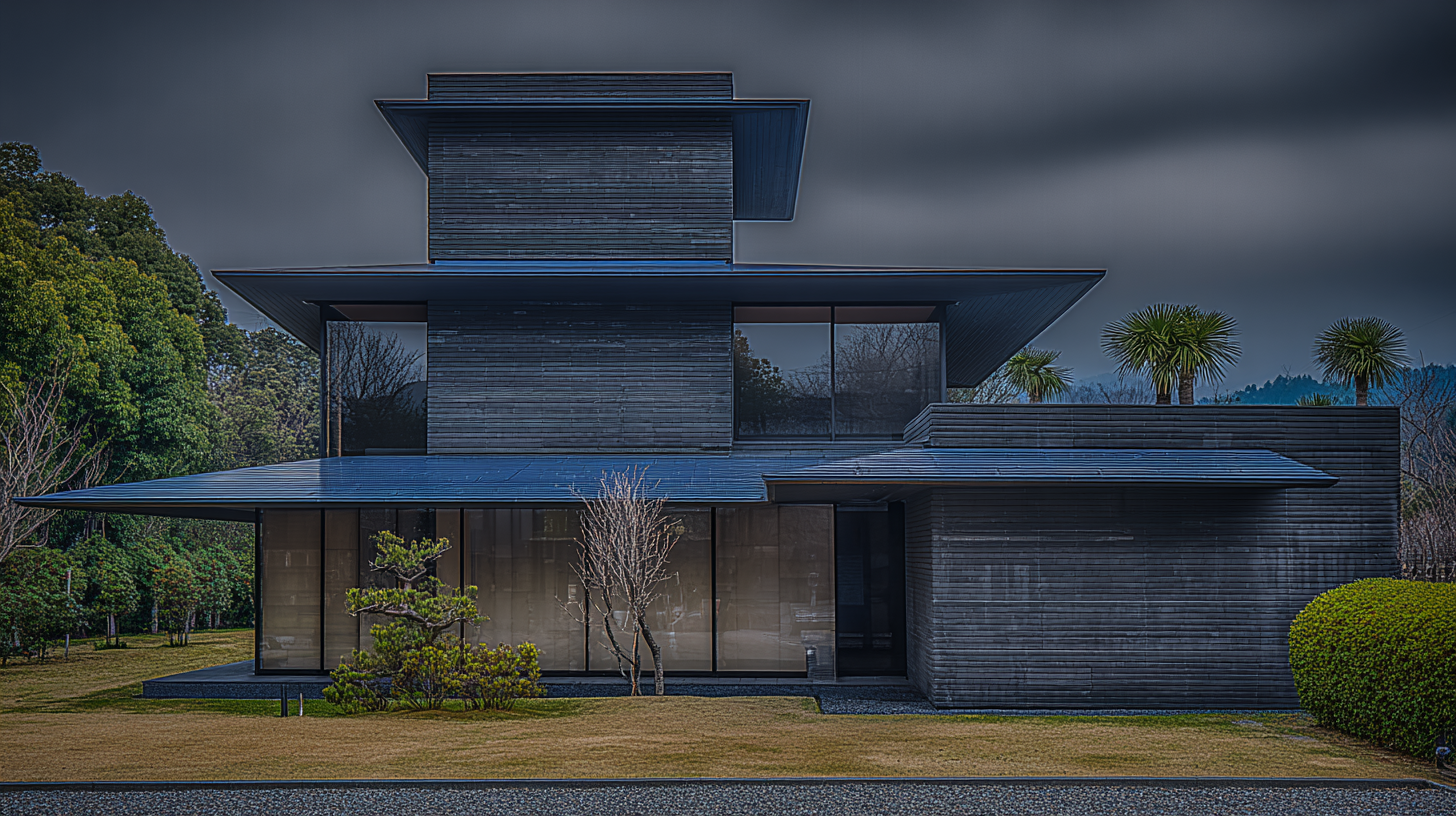
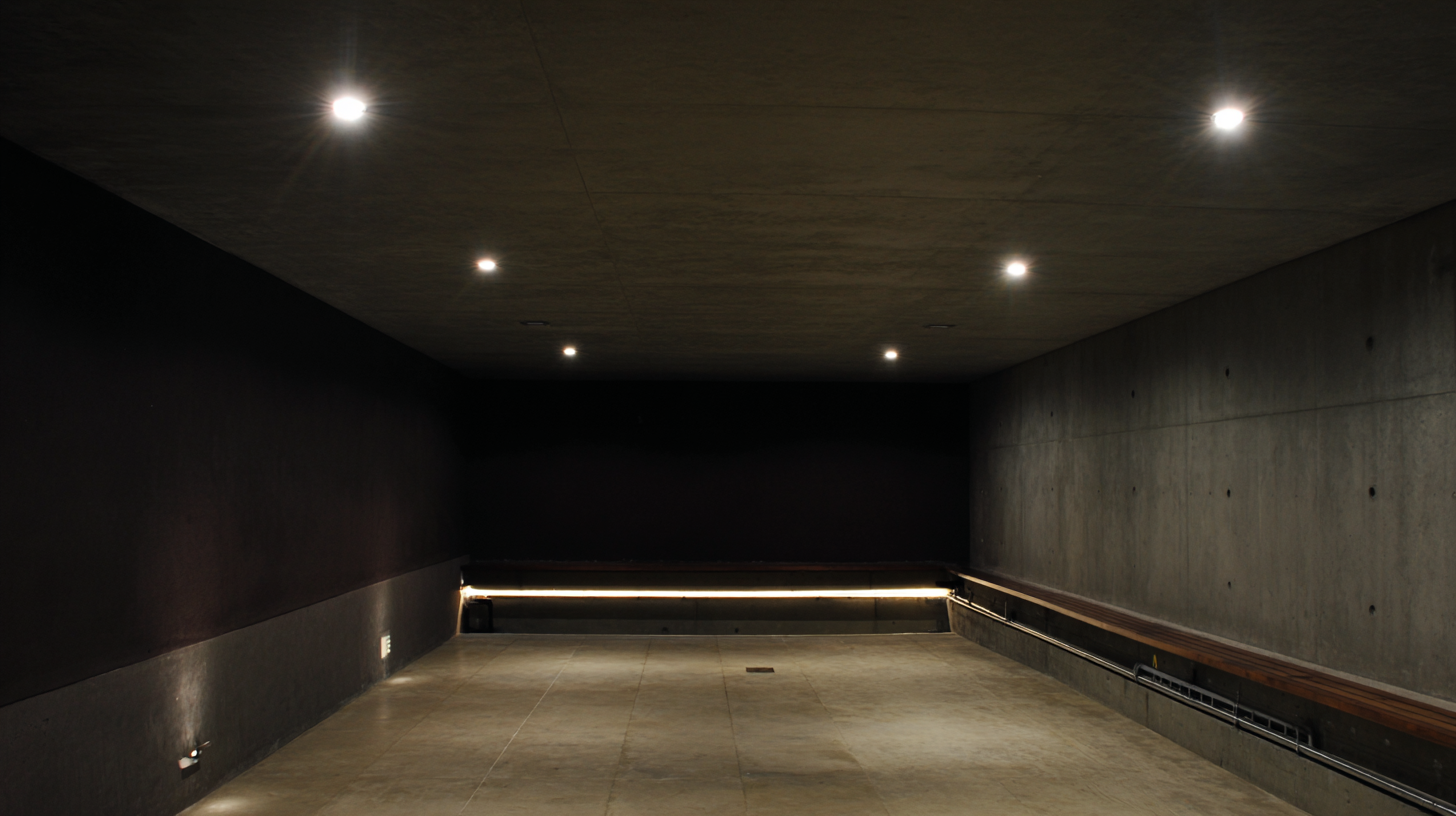
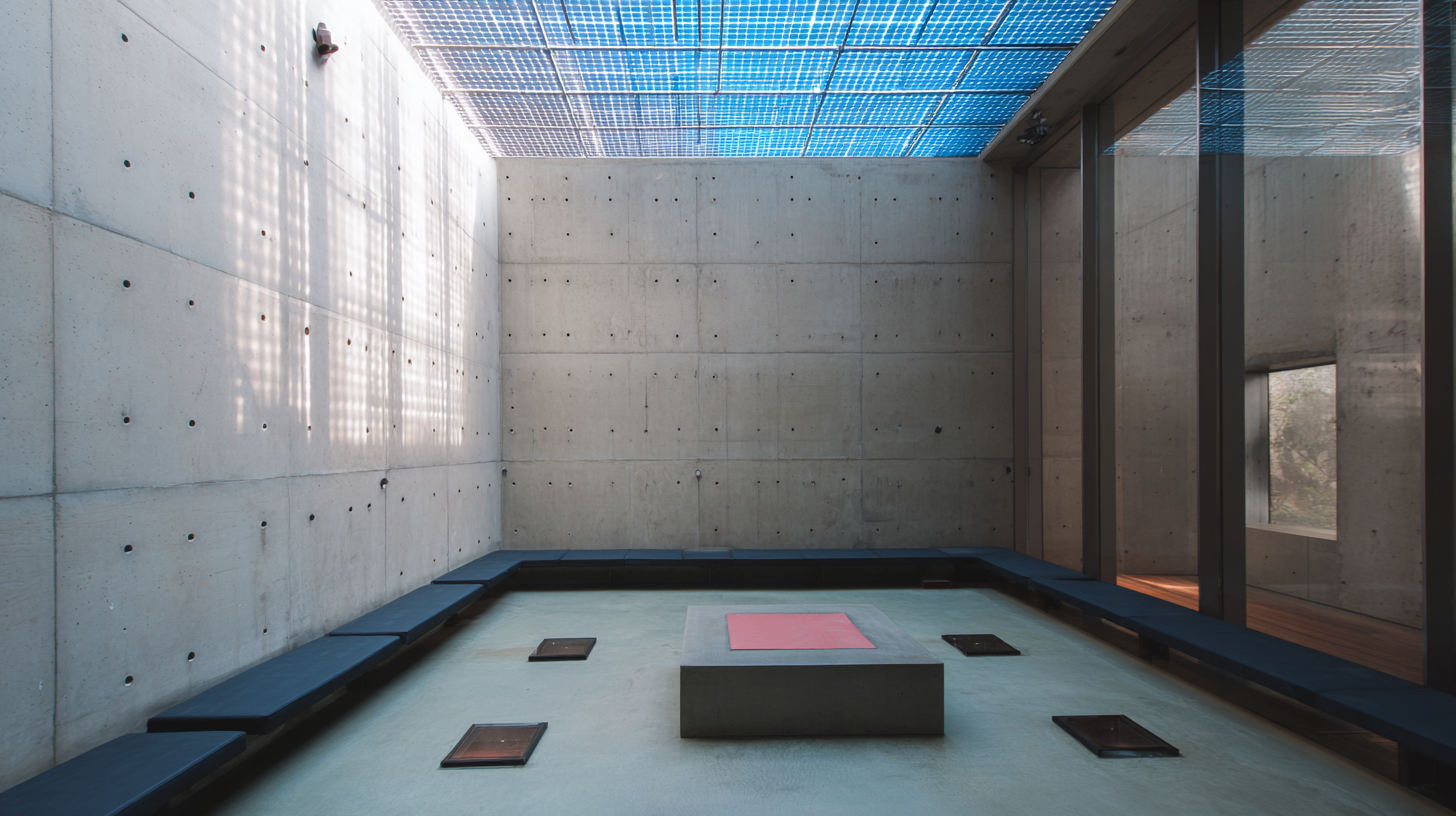
The core spatial device is the perimeter moat system. At the floor, a continuous
recessed service zone runs along the room edge, tight to the wall line, beneath flush removable covers that read as part of the architectural composition rather than access panels. This floor moat carries power, low-voltage data, plumbing supply, plumbing waste where needed, gas where appropriate, specialty lines for future appliances, and reserved empty pathways for systems not yet specified. The moat is not an afterthought, or a trench hidden under finish flooring. The moat establishes a disciplined ring around the room from which service can rise cleanly into kitchens, baths, desks, seating zones, lighting controls, vents, speakers, and future interfaces without random penetrations across the slab. Instead of littering the center of the room with outlets, floor boxes, vents, and improvised covers, the room is fed from its edges, keeping the field of the floor visually calm.
Embedded in the ceiling, a moat performs the same role for atmosphere. Rather than
filling ceilings with ad hoc soffits, dropped zones, scattered grilles, and decorative fixtures trying to disguise technical clutter, Relic uses a continuous perimeter ceiling service band aligned directly with the floor moat below. This upper moat carries supply and return air, lighting, sensors, speakers, wiring, and future atmospheric systems in a linear accessible plenum.
The result is a room defined by a quiet center and active edges. The services remain
near the perimeter where they can be coordinated, inspected, and replaced.
This creates a spatial character that feels monolithic and serene, while being more practical than conventional concealed construction. The room feels more simple, because the technical logic is more disciplined, not because complexity has been ignored.
© M M X X V I - R E L I C T E C H N O L O G I E S